
AYIN
By Maheder Haileselassie
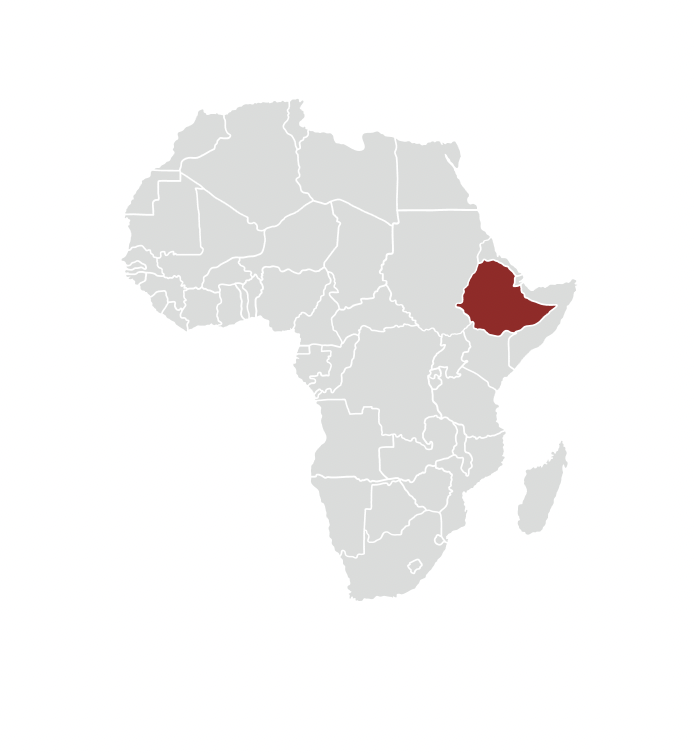
AYIN is a photo essay developed as part of the Through Her Lens project, a collaboration between the END Fund and African Women in Photography. It uses a creative approach to demonstrate the impact of trachoma on women and girls in Gambella’s Majang and Nuer zones, Ethiopia.
Women and girls bear a disproportionate burden of trachoma, the world’s leading infectious cause of blindness. As primary caregivers, they face frequent exposure to infected children. Trachoma is a bacterial eye infection that thrives in areas lacking adequate sanitation infrastructure. Limited access to clean water makes regular face and handwashing difficult, allowing infected eye and nasal discharge to spread through hands, clothing, bedding, and flies.
The Effects
Trachoma is the second leading cause of blindness in Ethiopia, mainly affecting women because their caregiving roles often bring them into closer and more frequent contact with young children, who are most likely to carry and transmit the infection. As a result, women are blinded up to four times as often as men by trachoma, and are nearly twice as likely to develop trichiasis, the blinding stage of the disease. Women in this region shared with me the pain that forced them to isolate themselves, lose sleep for months and, afraid of the sun, not even do a simple activity like looking up at the sky.
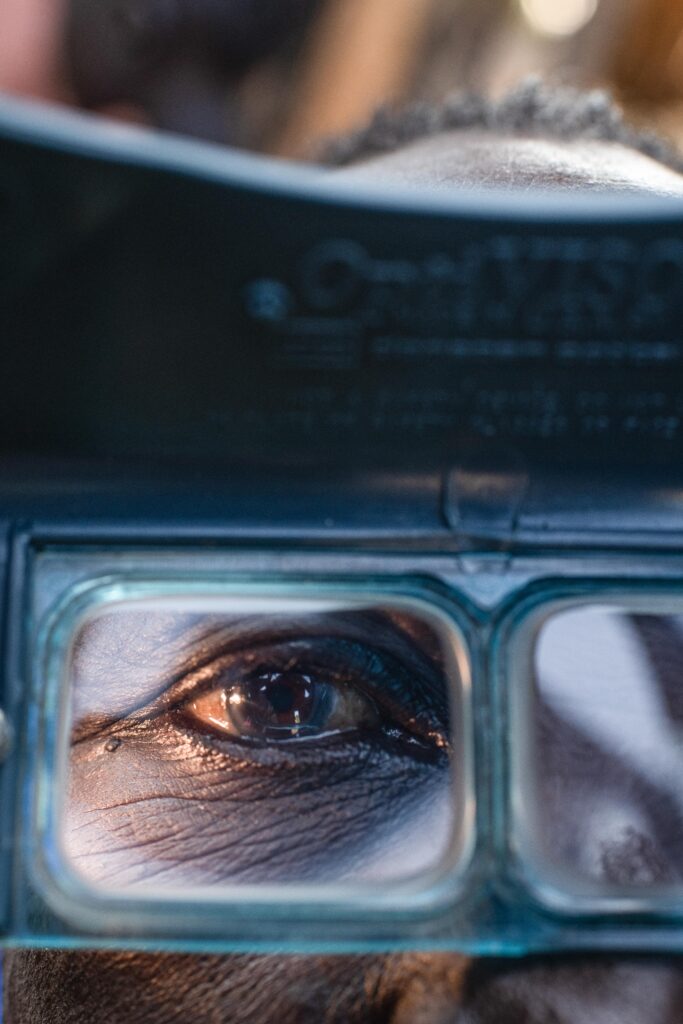
As the infection progresses, the eyelashes turn inward, painfully scratching the cornea with every blink. The continuous scarring of the cornea is what develops stage five, corneal opacity, where a cloud forms, obscuring vision and, if left untreated, resulting in irreversible blindness.


The women
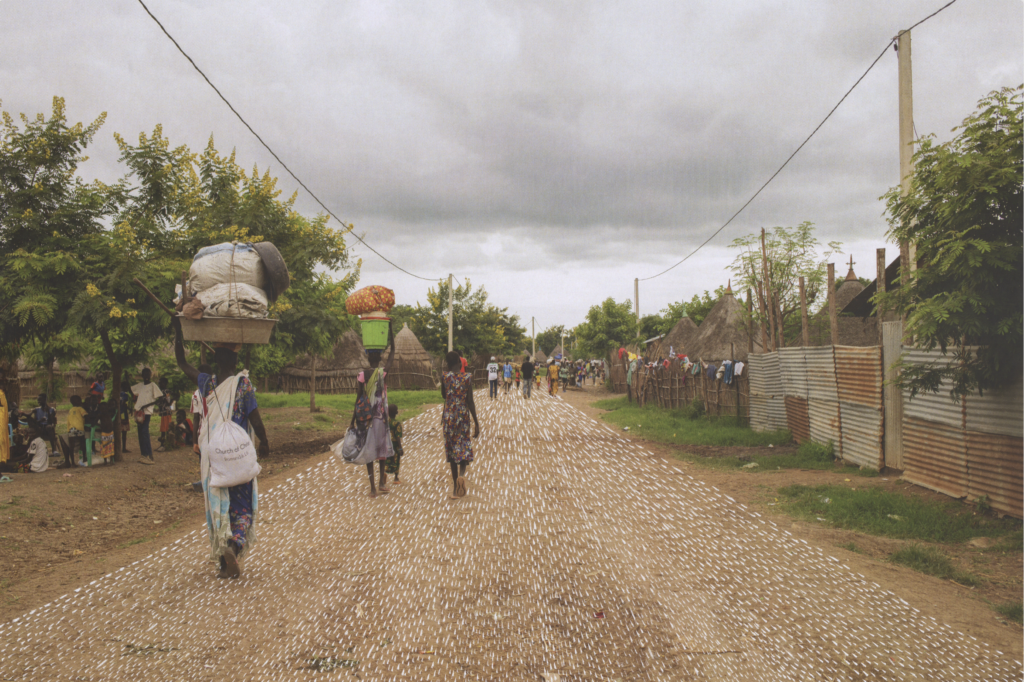
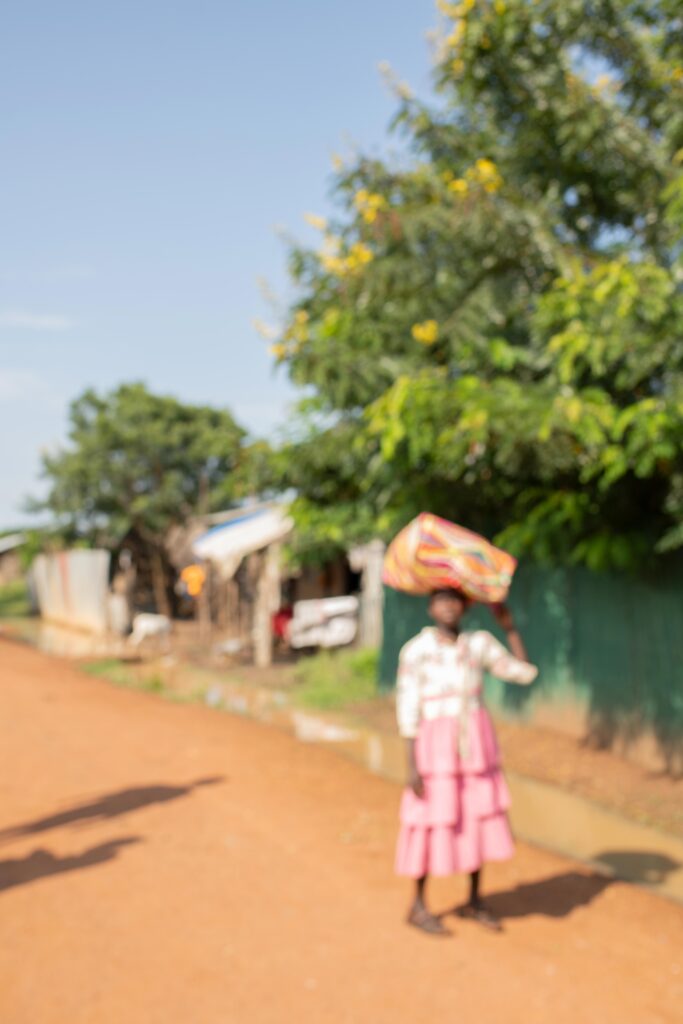
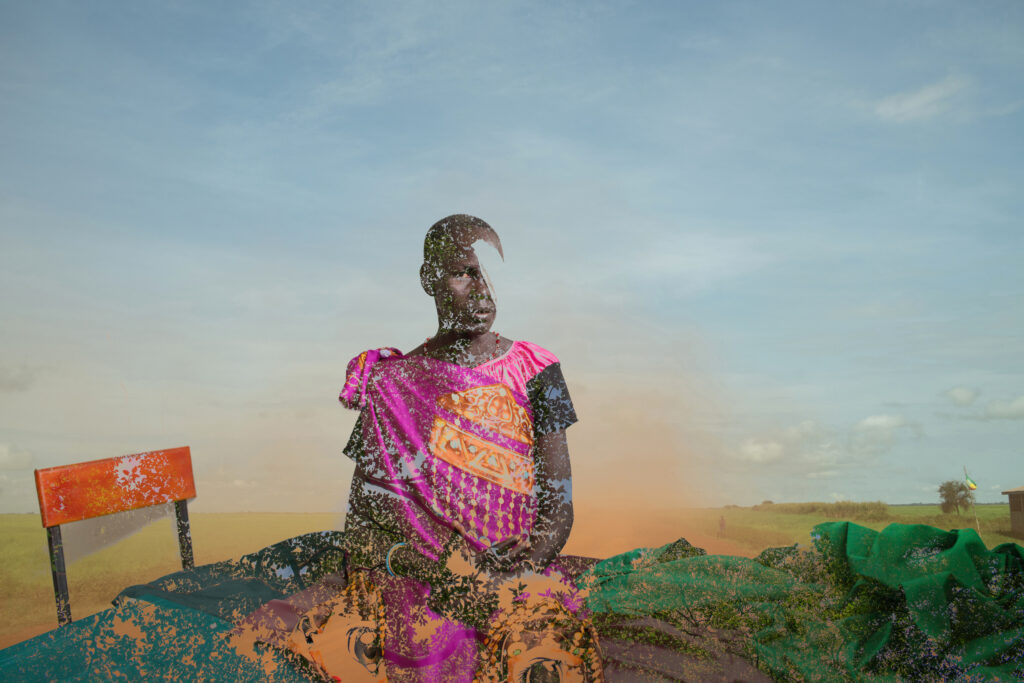
The images in this project are blurred and scratched as a metaphor for the blurred vision, repeated infection and scarring of the cornea. This work, to an extent, is a mere interpretation of the experiences of what living with trachoma feels like. But it’s also about these remarkable women who, after treatment, no longer feel isolated, ashamed, burdened or pained, both physically and emotionally due to trachoma.
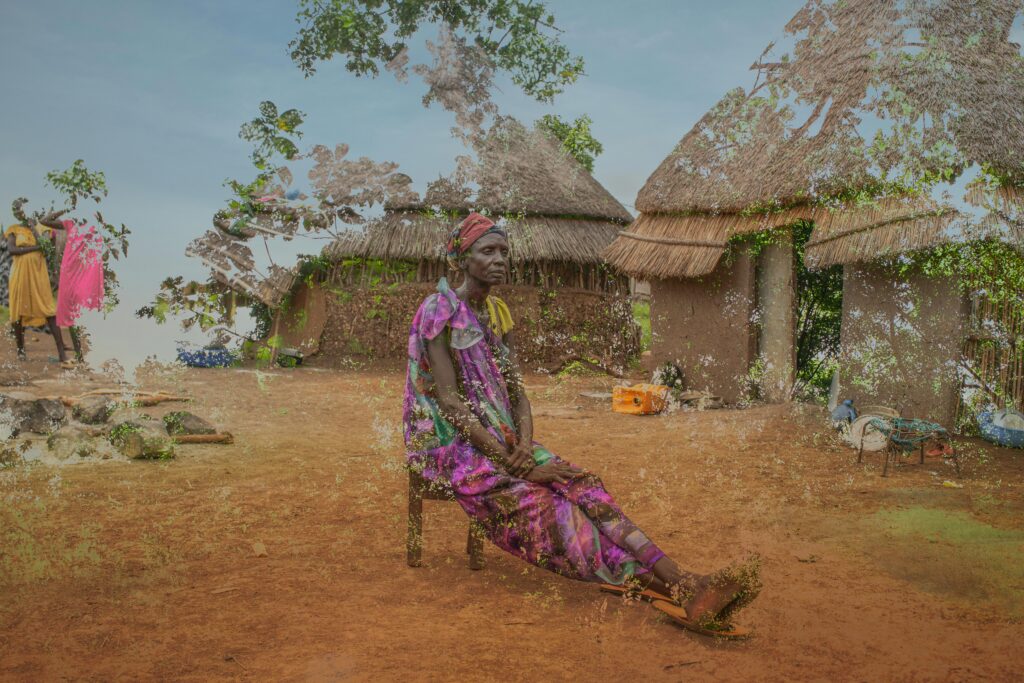
Nyanchiew Kang, a mother of five is portrayed at her home in Gambella Region, Ethiopia. She recently had a TT surgery done on her left eye but still has a minor corneal opacity on her right eye
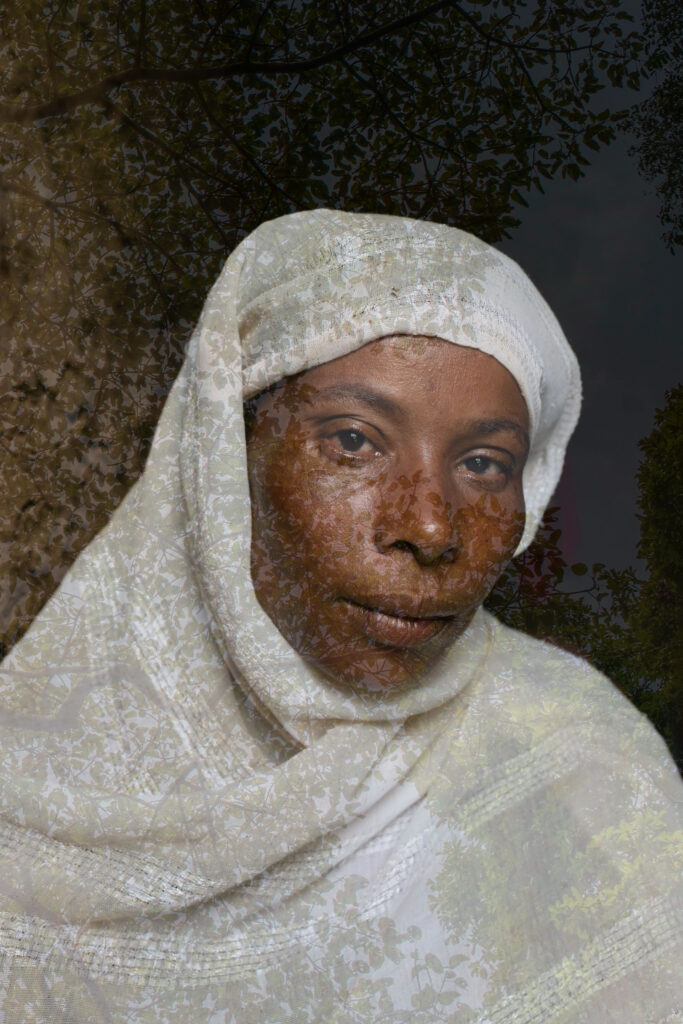
Fate Yimer lives with her young daughter in Gambella Region. She had surgery on both her eyes for trachoma that she says highly improved her vision and removed the pain.

Nyathab Dobol, mother of six says the pain in her left eye is gone after undergoing surgery. She remembers there were many older people who lose their vision but says the number has gone down since the project started providing treatment.
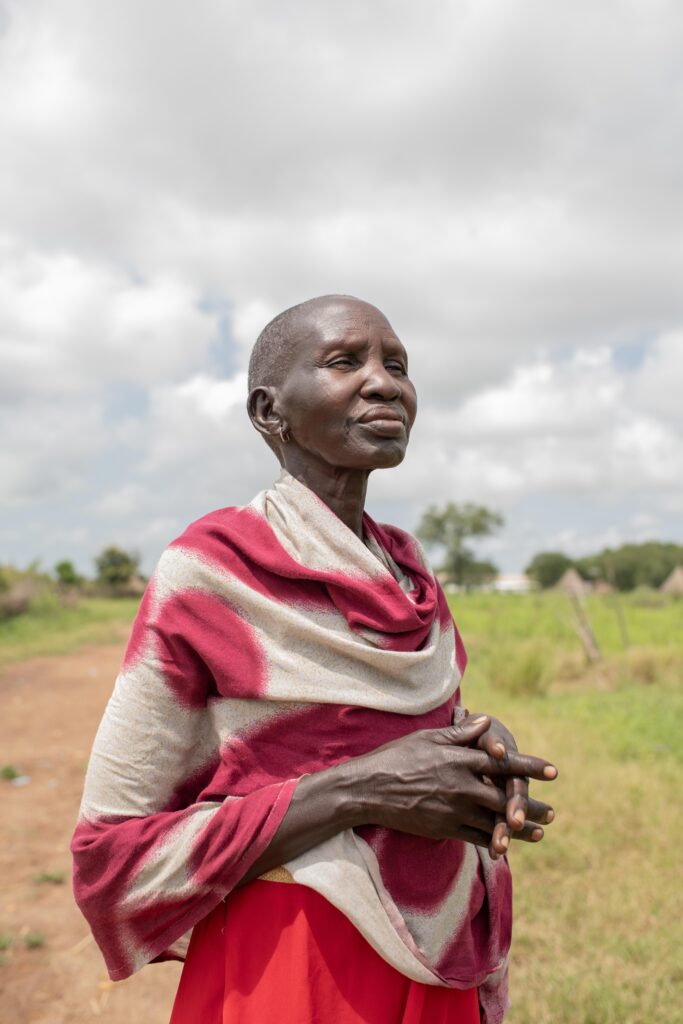
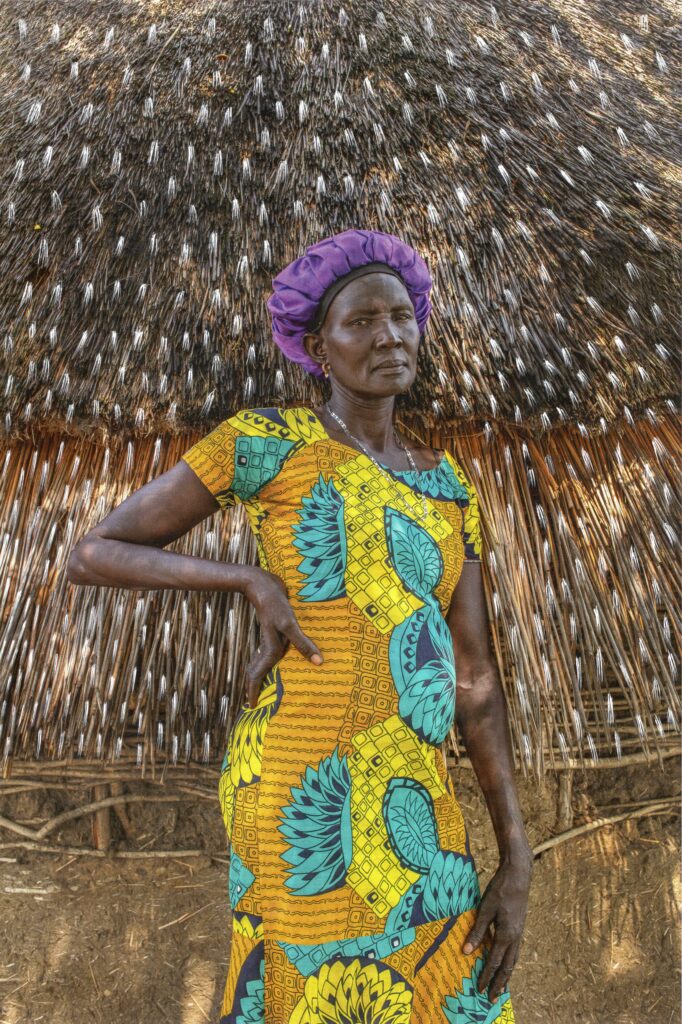
Nyaluak Khan, mother of six, lives with her husband in Gambella region, Ethiopia. She says women lose their vision at a higher rate at old age than men do as they carry the most responsibility in the community. Khan lived with blurry vision for five years. After undergoing surgery for trachoma on both eyes, she no longer feels the pain and is confident living in her community.

The surgery
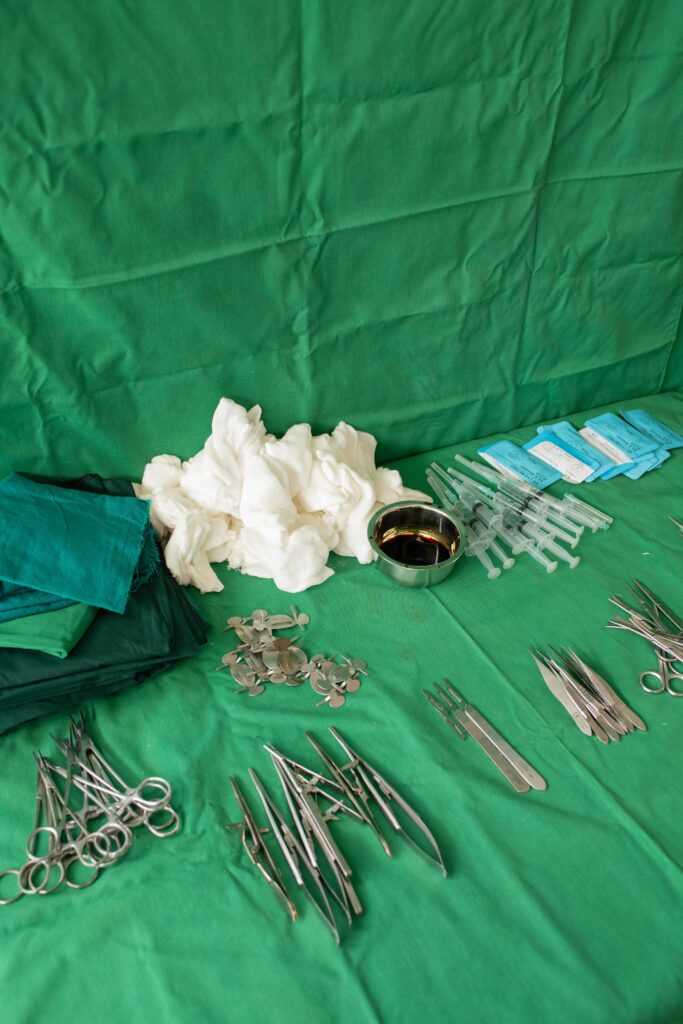
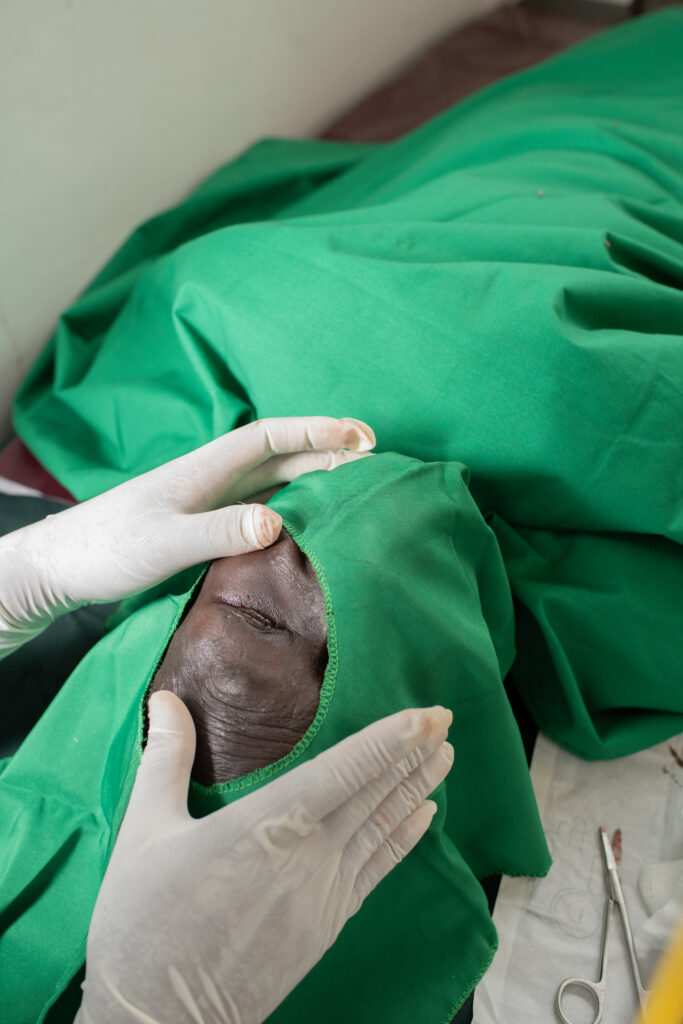
Trachoma is one of the few NTDs for which evidence on gender differences has translated into explicit program guidance. While the WHO-endorsed SAFE strategy, (Surgery, Antibiotics, Facial cleanliness and Environmental improvement) has guided elimination efforts for decades, more recent implementation guidance (for example, Women and Trachoma: Achieving Gender Equity in the Implementation of SAFE, 2023 edition) recognizes that women bear a disproportionate burden of trichiasis and recommends monitoring whether case finding, referral and surgical services are reaching women equitably. The surgery can last just 20 minutes, and will prevent a person from going blind. If blindness has already occurred, it is not reversible, but the surgery will relieve the constant pain caused by trachoma. Ethiopia has the largest backlog of surgeries in the world.
The Environment
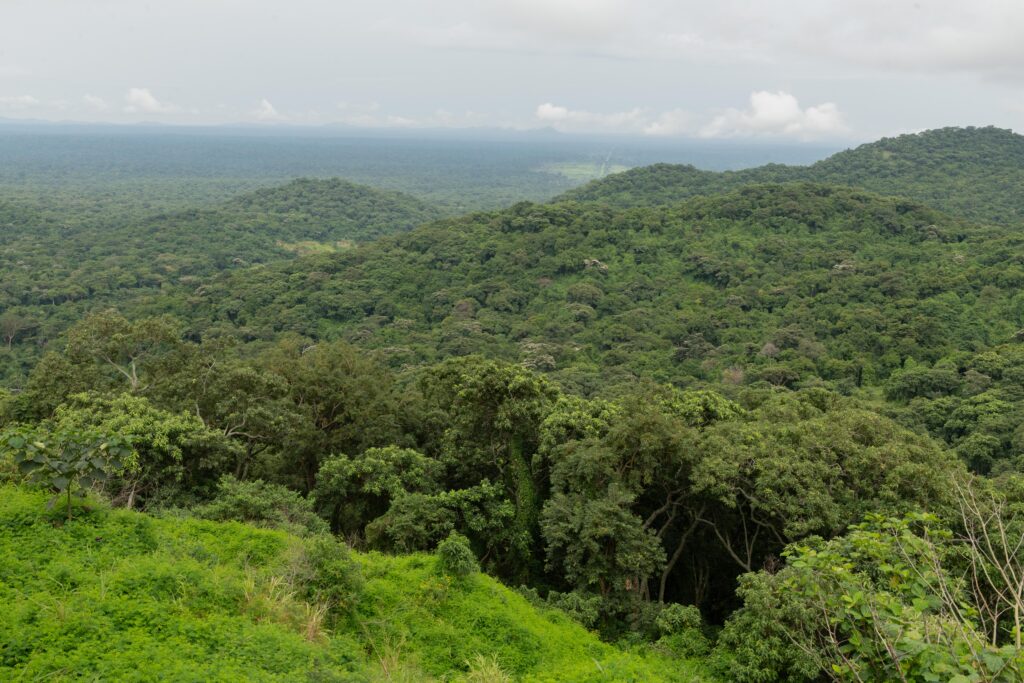
The Majang and Nuer zones of Gambella are in a region of Ethiopia with dense forest, unpaved gravel roads and a lack of access to clean water — all ideal grounds for the trachoma causing bacteria to thrive.
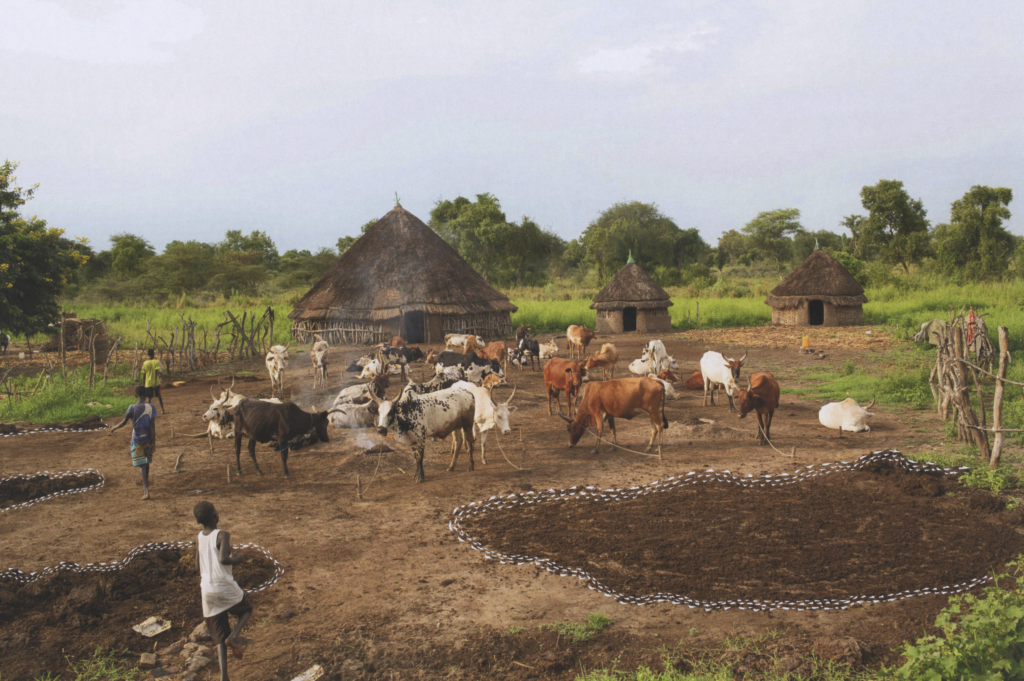
Trachoma is caused by a bacterium that spreads from person to person through contact. Washing the face and hands helps to reduce the spread. When communities lack the infrastructure to regularly wash the hands and face, it spreads more easily. In addition, flies can spread the bacteria by landing on an infected person, and then landing on someone not yet infected. In this area of Ethiopia, women can be exposed to areas where flies congregate more because of their social responsibilities like, washing clothes, watching children, and fetching water. Raising cattle near by households increases the risk because the cattle attract the flies.

About the Photographer
Maheder Haileselassie is a visual artist born and based in Addis Ababa, Ethiopia. Her work is deeply rooted in the lived experiences of herself and of people she encounters. She explores themes of history, identity and communal issues, drawing connections between past archives and present day events. Her work stands at the intersection between documentary photography and contemporary experimental approaches. Originally trained as a civil engineer, she worked in construction for five years before becoming a full-time practicing artist. She has won the Seydou Keita Grand Prize at the 14th Rencontres de Bamako and the Contemporary African Photography Prize in 2023. She was selected as a BBC 100 Women honoree. She is also the founder of the Center for Photography in Ethiopia. Maheder is a 2025 Magnum Foundation Fellow and a Sharjah Art Foundation program grantee.
Through Her Lens is a photography project created in partnership between the END Fund and African Women in Photography. It asked five African women photographers to develop projects that move beyond clinical documentation of the impact of neglected tropical diseases by examining the social, cultural, and personal dimensions of these diseases.