

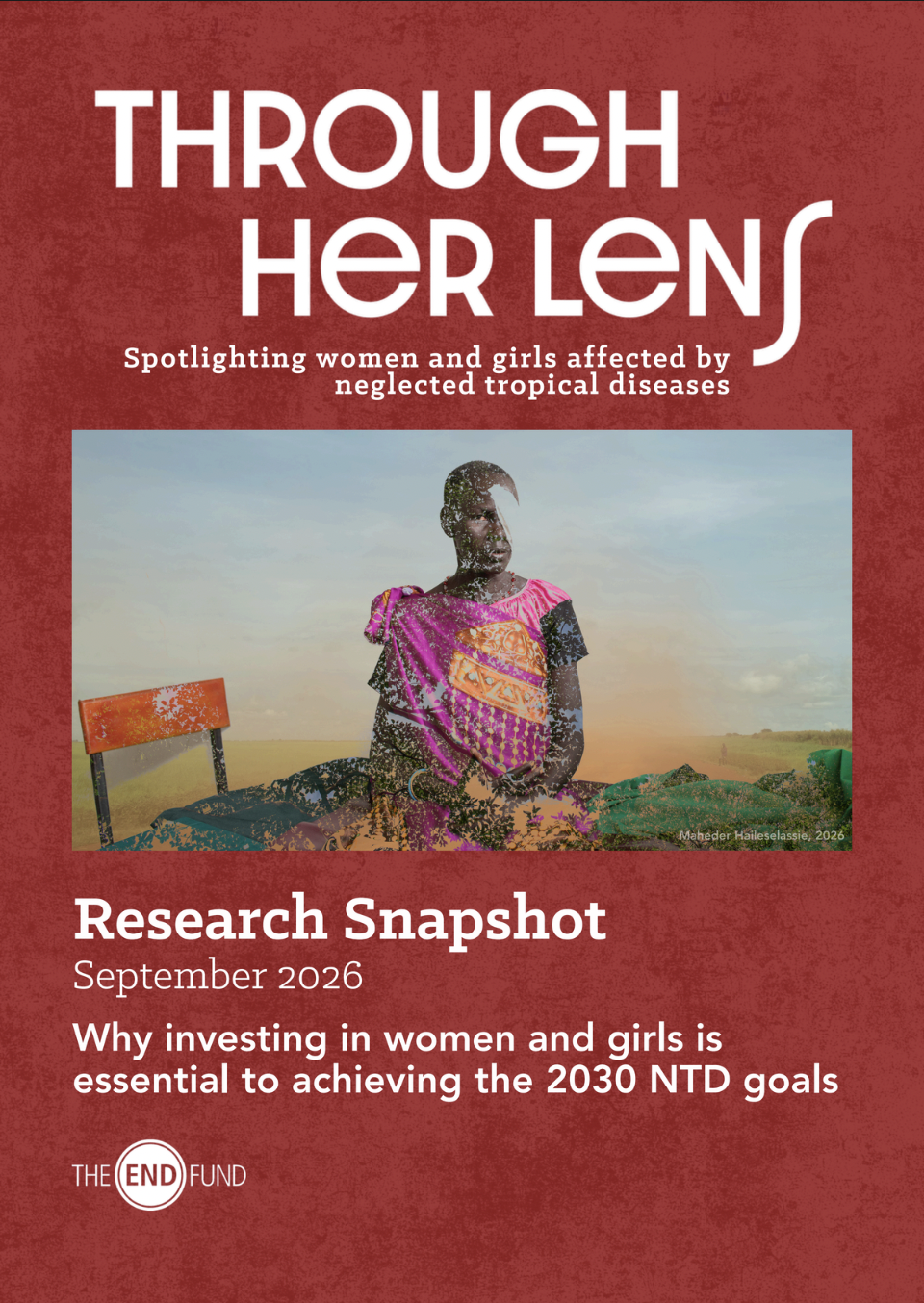
Research shows that neglected tropical diseases (NTDs) can affect women and girls differently from men and boys, creating additional health risks and, in some settings, severe social and economic consequences like disability or infertility . These differences are shaped by biological factors, gender norms, and unequal access to healthcare, all of which influence exposure, health outcomes, and access to diagnosis and treatment.
NTDs are a diverse group of conditions that threaten approximately 1.4 billion people globally, including nearly 1 billion children , and remain both a consequence and driver of poverty. Together, they are estimated to cost affected communities US$33 billion each year in lost wages and out-of-pocket healthcare expenses . But these diseases are
preventable, treatable, and solvable.
Thanks to sustained funding across decades, country-led leadership, and long-standing partnerships, including with pharmaceutical companies providing large-scale medicine donations, great progress has been made towards controlling and eliminating NTDs. However, this progress is coming under pressure. Reductions in official development assistance (ODA) are disrupting treatment programs and climate change is altering the distribution of several vector-borne NTDs.
In April 2025, the World Organization (WHO) reported that more than 70% of surveyed country offices had experienced health service disruptions following ODA cuts, citing NTD programs as among the most severely affected.
Increasing attention has been paid to how gender shapes the burden of NTDs in recent years. In 2025, the WHO convened an informal consultation on gender, equity and human rights in NTD programs , reflecting a shift from treating gender as a cross-cutting issue to recognizing it as a factor that can influence progress towards NTD elimination.
As we approach the WHO’s 2030 Road Map target for ending NTDs, understanding which communities and populations may be being missed is critical. Because NTDs intersect with sexual and reproductive health, nutrition, education and economic participation, investing in gender-responsive NTD programs offers an opportunity to advance multiple priorities for women and girls simultaneously.
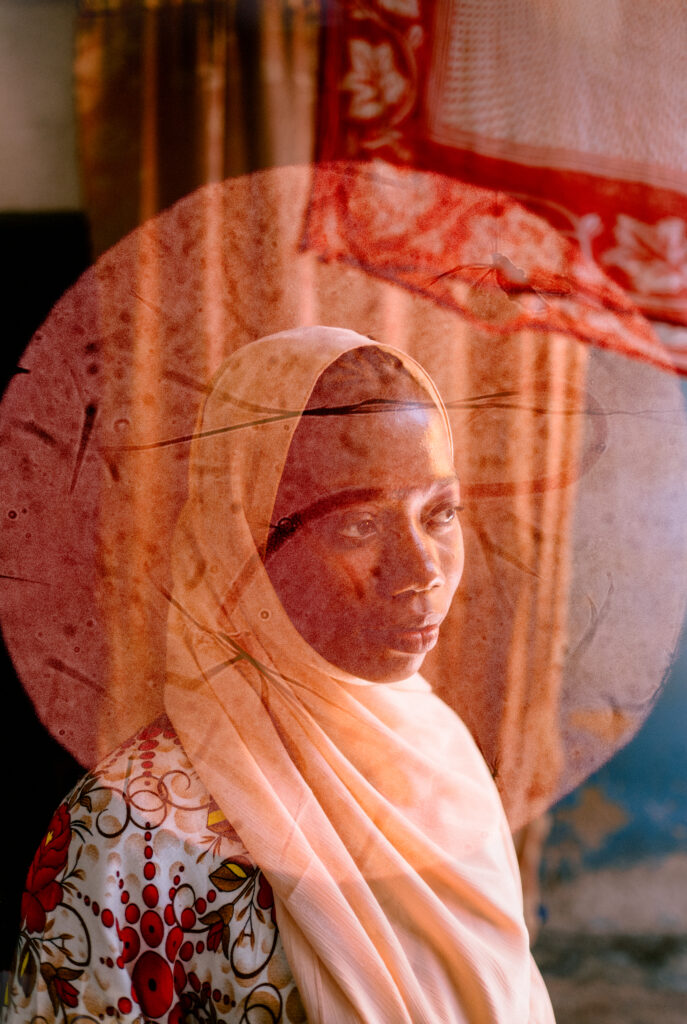
Through Her Lens Photography Project
Through Her Lends aims to visualize the gender disparity in neglected tropical disease elimination programs. Created in partnership between the END Fund and African Women in Photography, the project had five African women photographers create a body of work that moves beyond clinical documentation into the social, cultural, and personal dimensions of these diseases.