

A photography project created in partnership between the END Fund and African Women in Photography, spotlighting women and girls affected by neglected tropical diseases.
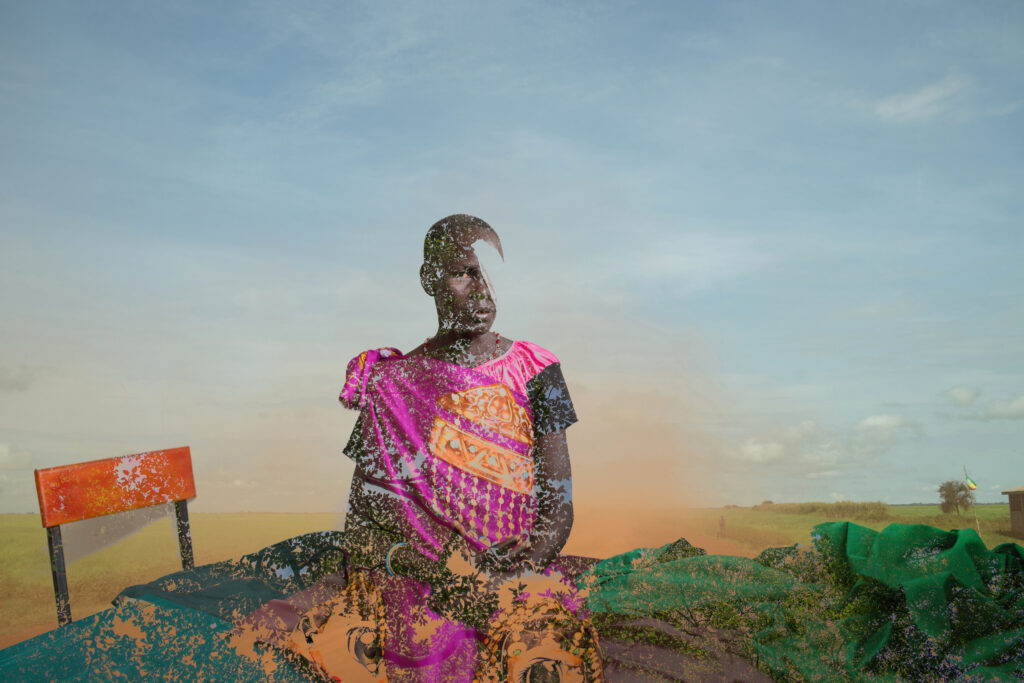
Over 1.4 billion people are affected by a neglected tropical disease (NTDs), close to a billion of them children. NTDs cause severe pain and long-term disability, and are responsible for more than 170,000 deaths each year. These are among the most treatable conditions in global health, and several can be eliminated outright.
We developed this photography project because the numbers alone have never been enough. In partnership with African Women in Photography, we asked five female photographers to explore how NTDs affect women and girls across Africa. Jodi Windvogel, Maureen Gathoni, Amarachi Nnoli, Temiloluwa Johnson, and Maheder Haileselassie each spent time in the communities they photographed, building trust and producing work that moves beyond clinical documentation into the social, cultural, and personal dimensions of these diseases. Each artist created an individual project that together makes up the Through Her Lens Series.
AYIN
By Mahader Haileselassie
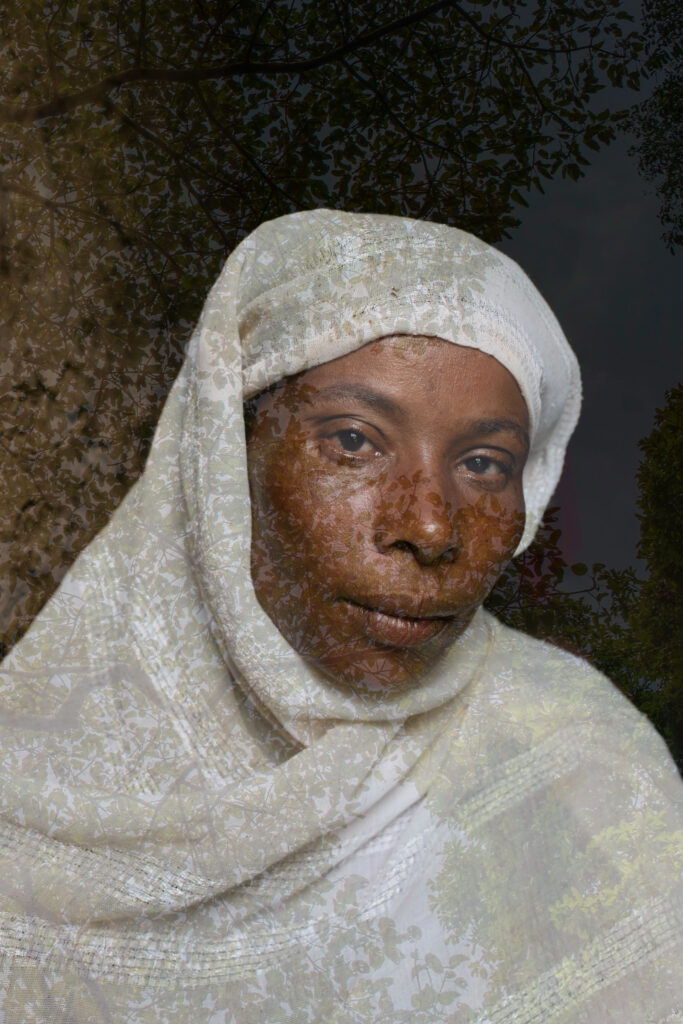
AYIN uses a creative approach to demonstrate the impact of trachoma on women and girls in Gambela’s Mejeng and Nuer zones, Ethiopia. Women and girls bear a disproportionate burden of trachoma, the world’s leading infectious cause of blindness. As primary caregivers, they face frequent exposure to infected children. Trachoma is a bacterial eye infection that thrives in areas lacking adequate sanitation infrastructure. Limited access to clean water makes regular face and handwashing difficult, allowing infected eye and nasal discharge to spread through hands, clothing, bedding, and flies. Ethiopia has the largest burden of trachoma remaining in the world. Utilizing documentary presence, archive, and visibility to bring attention to a persistent disease that the world has long developed the tools to eliminate.
The images in this project are blurred and scratched as a metaphor for the blurred vision, repeated infection and scarring of the cornea. This work, to an extent, is a mere interpretation of the experiences of what living with trachoma feels like. But it’s also about these remarkable women who, after treatment, no longer feel isolated, ashamed, burdened or pained, both physically and emotionally due to trachoma.
THe WORMS THAT STAYED
By Temiloluwa Johnson
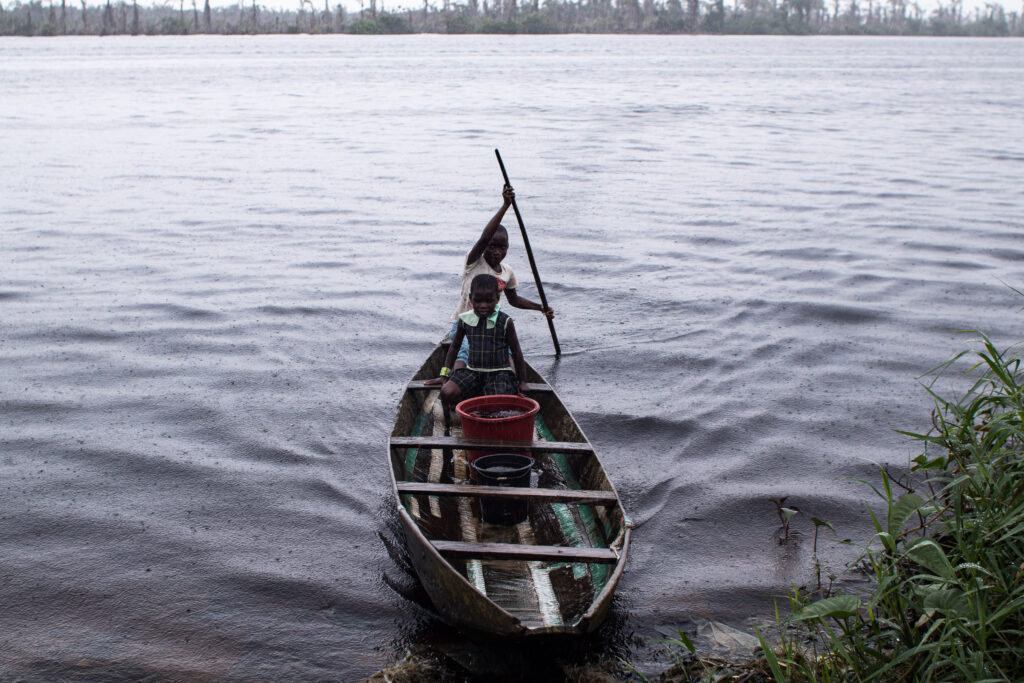
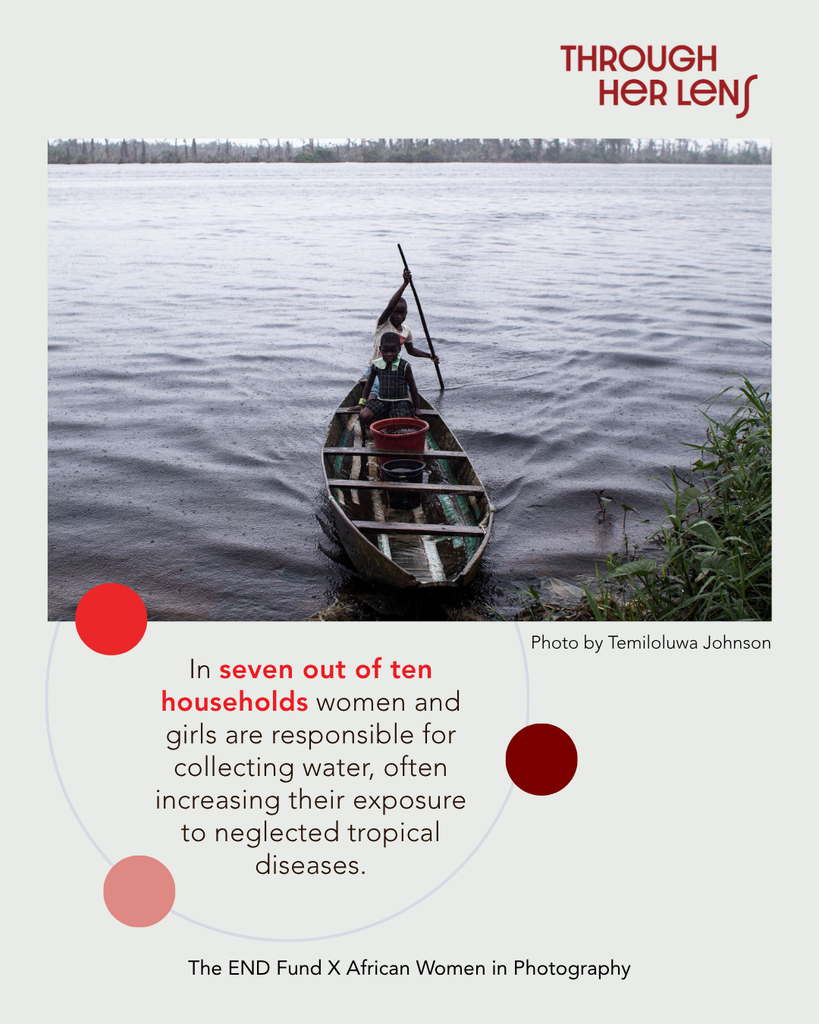
In the fishing village of Ugbonla, Ondo State, Nigeria, intestinal parasites are a persistent reality of daily life. These parasites cause malnutrition, anemia, stunted growth, and complications in pregnancy.
This project centers three lives: Faith Adeyemi, a fishmonger; Nurse Idowu Ogunbajo, a healthcare worker; and Sijuade Balogun, a pharmacist ensuring deworming medicines reach those who need them. The worms stayed because the conditions that invited them stayed too.
I don’t want the viewer to look at these photographs and simply feel sorry for the women and girls in them. Pity can be very comfortable because it allows you to see suffering without questioning what produced it. I would rather the work creates some discomfort. I want someone to look at these images and ask: Why are people still living like this? Who is responsible for changing these conditions? What does it say about us that some communities have had to adapt to things that should have been solved a long time ago? For me, the politics of the work is in refusing to separate the disease from the conditions surrounding it. These women are not just people who happen to have a disease. They are people living within systems that have made certain kinds of suffering easier to ignore.
TSAGIYA
By Amarachi Nnoli
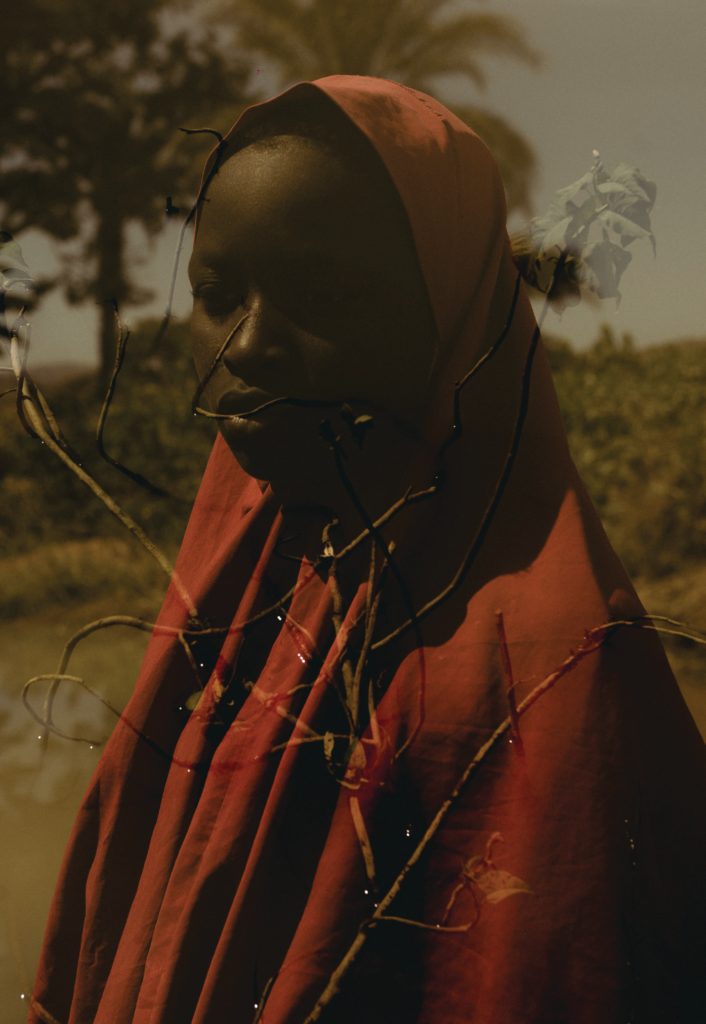
Tsagiya centers the bodies of a group of young girls affected by female genital schistosomiasis, bringing their often-private experiences into the public sphere. The project offers a glimpse into life beyond the disease, inviting viewers to look past medical labels and towards the social realities that shape these young women’s lives. Through their stories, Tsagiya explores how they, and countless other women and girls, navigate stigma, resilience, and dignity in the face of an often- overlooked condition.
Tsagiya, the title of this collection, is adapted from the local Hausa term, which when asked the meaning, Khadija Zuberu, a 16 year old girl affected by schistosomiasis, explained in simple translation, “someone urinating with blood.” Locally, the name holds immediate meaning through lived symptoms but is more widely translated to mean schistosomiasis.
Many adult women were hesitant to speak openly or be photographed because the symptoms of schistosomiasis, particularly genital itching, pain and blood in urine, can be interpreted through the lens of sexual morality. I began to understand that speaking about the disease could expose women to assumptions about promiscuity or infidelity, making silence a form of protection. At the same time, I noticed that women often redirected me towards their daughters, nieces and younger girls in the community. This opened up another layer of the story.
TERMES
By Maureen Gathoni
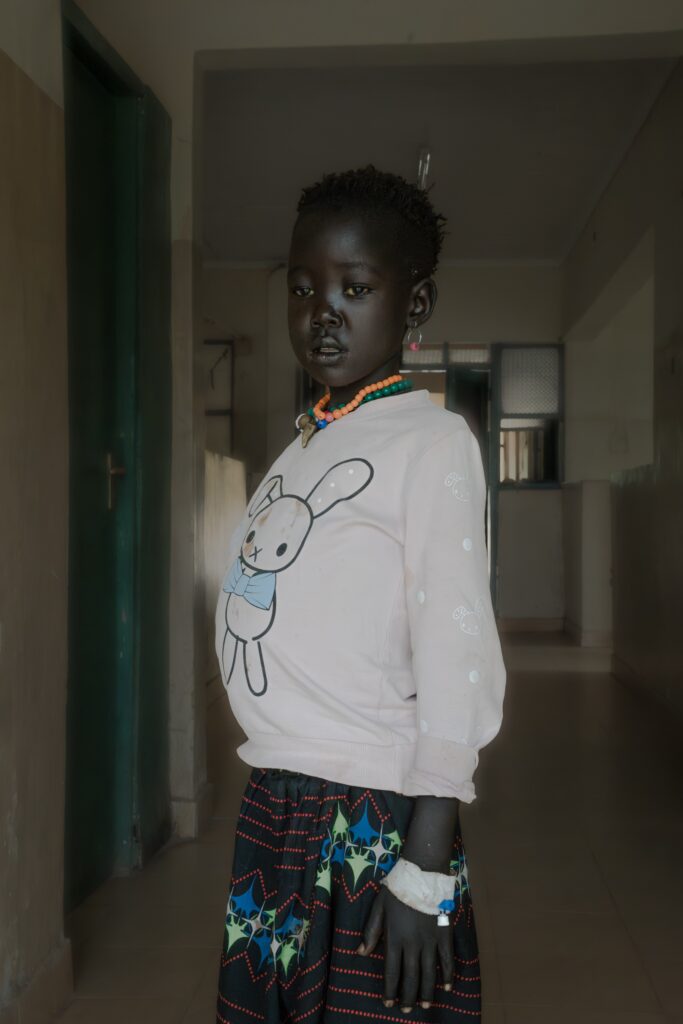
Termes traces visceral leishmaniasis, one of the world’s most deadly parasites, from its ecological origins to the hospital beds where mothers and children fight for survival. This project documents the intersection of disease, landscape and resilience in Kenya’s Baringo County.
Visceral leishmaniasis is a deadly parasite spread through sandflies. If left untreated, it leads to death in 95 percent of patients who become symptomatic. Women often are doubly burdened by the disease as patients, but also as caregivers for sick family members.
What has stayed with me most is the humanity of the people I met. When you spend time documenting this disease, it can be easy to focus on the hardship, but what I remember just as strongly is the resilience, warmth and dignity I encountered. The experience also made me more aware of how much can exist behind a photograph. A single image can carry someone’s history, fear, hope and strength, even when none of those things are immediately visible. I hope viewers walk away seeing these women and girls as people first not simply as patients or victims of visceral leishmaniasis. I hope the photographs create empathy and curiosity, but also leave the viewer thinking about dignity, access to healthcare, and the human stories that exist behind public-health statistics.
BENEATH THE SKIN, BEYOND THE STIGMA
By Jodi Windvogel
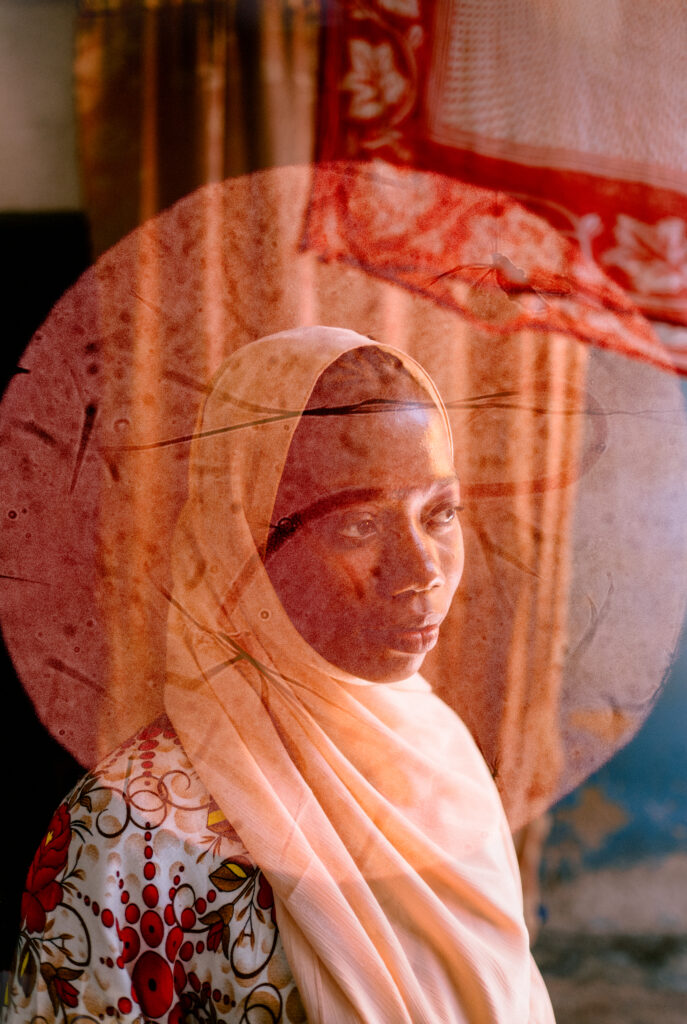
Beneath the Skin, Beyond the Stigma shows the lived experience of three women living with lymphatic filariasis, each of whom are in different stages of their lives and were infected at different stages of Zanzibar’s treatment and elimination journey. Lymphatic filariasis is a parasitic disease spread by mosquitoes. The parasites enter the body through bites from the mosquitoes and travel to the lymphatic system, causing severe irreversible swelling if left untreated.
The series features: Subira, a 72-year-old grandmother reflecting on decades of living with the disease; Suliya, a 15-year-old student navigating adolescence alongside disease; and Wanu, a 45-year-old market vendor whose livelihood is directly constrained by her condition.
I wanted to show who these women are outside of the disease. The way they spoke about it made that easy. It came up, it was painful, and then the conversation moved on to work or family or what they were cooking that night or we even visited their neighbors. The illness didn’t run the conversation and it doesn’t appear to run their lives, so I wanted to photograph it the same way.
OUR SNAPSHOT REPORT
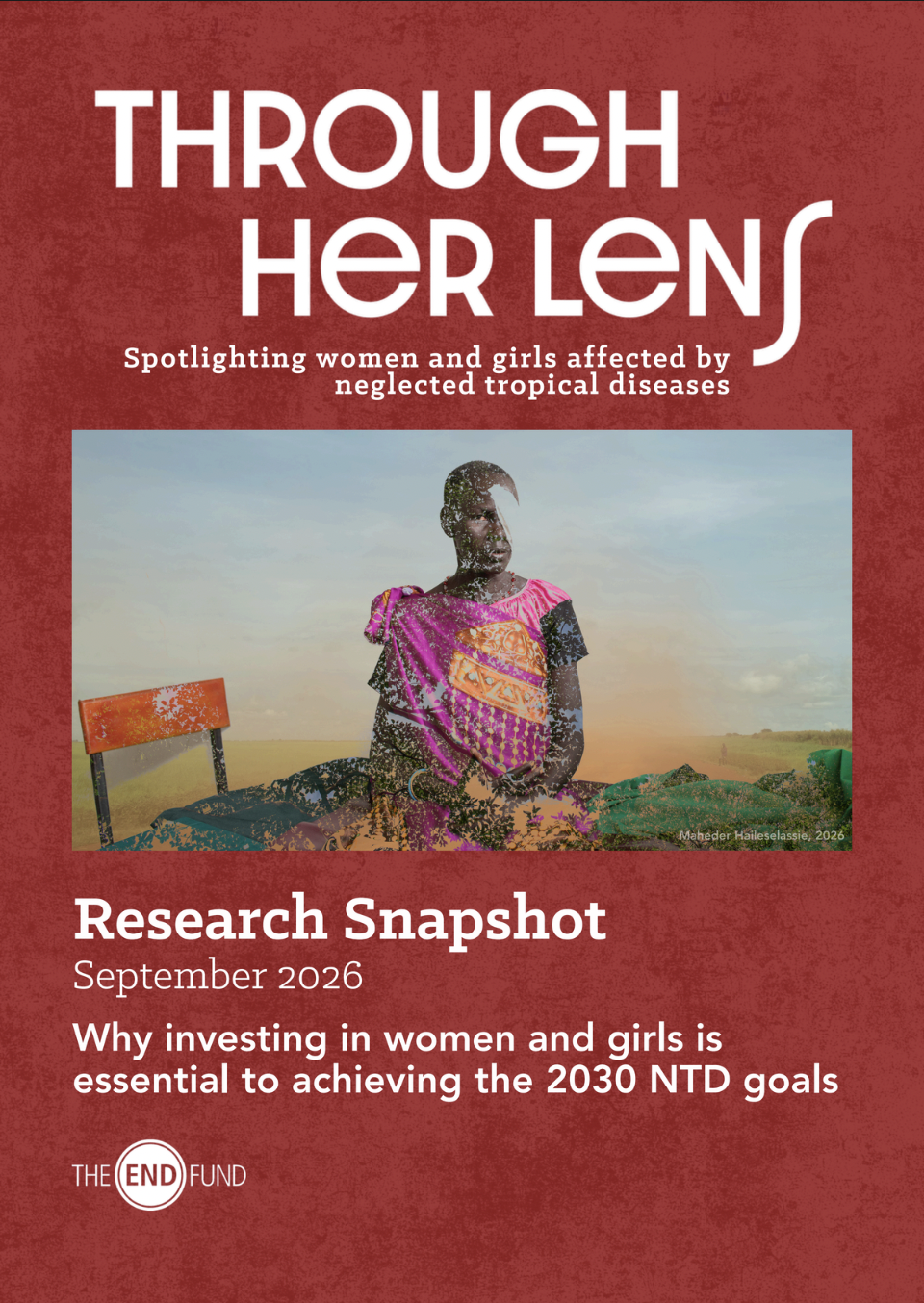
Increasingly, research shows that some neglected tropical diseases can affect women and girls differently from men and boys, creating additional health risks and, in some
settings, severe social and economic consequences from disability or infertility.
These differences are shaped by biological factors, gender norms, and unequal access to healthcare, which influence exposure, health outcomes, and access to diagnosis and
treatment. This report examines the latest evidence to highlight the hidden gender gap in NTD elimination.
Join us in sharing the story
Help us share the stories of women and girls affected by neglected tropical diseases and bring their experiences into greater focus. Use these ready-to-share social media assets and captions to engage your community, raise awareness and help center women and girls in the movement to end NTDs for all.
MEET the Artists
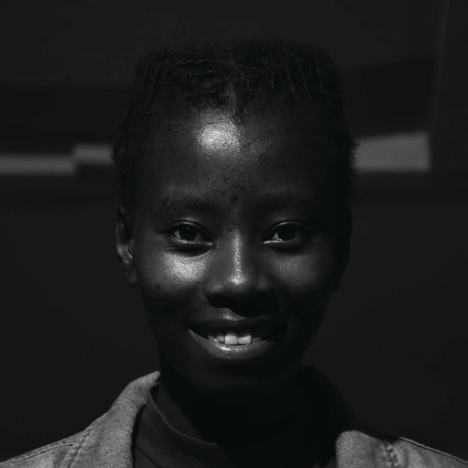
Maureen Gathoni is a conservation photographer based in Kenya. Her work entails documenting the interconnected stories of people, wildlife and conservation. Her goal is to create meaningful visual stories that inspire conservation and support environmental and conservation protection. She is highly engaged in documenting how neglected tropical diseases disproportionately affect women and girls, and in exploring the ways climate change contributes to the spread and increased vulnerability of these diseases in affected communities. Maureen is a Girls Who Click Ambassador, and a member of Women Photograph, and Photographers Without Borders.
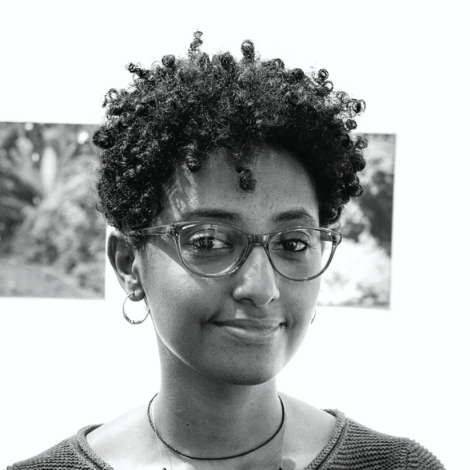
Maheder Haileselassie is a visual artist born and based in Addis Ababa, Ethiopia. Her work is deeply rooted in the lived experiences of herself and of people she encounters. She explores themes of history, identity and communal issues, drawing connections between past archives and present day events. Her work stands at the intersection between documentary photography and contemporary experimental approaches. Originally trained as a civil engineer, she worked in construction for five years before becoming a full-time practicing artist. She has won the Seydou Keita Grand Prize at the 14th Rencontres de Bamako and the Contemporary African Photography Prize in 2023. She was selected as a BBC 100 Women honoree. She is also the founder of the Center for Photography in Ethiopia. Maheder is a 2025 Magnum Foundation Fellow and a Sharjah Art Foundation program grantee.
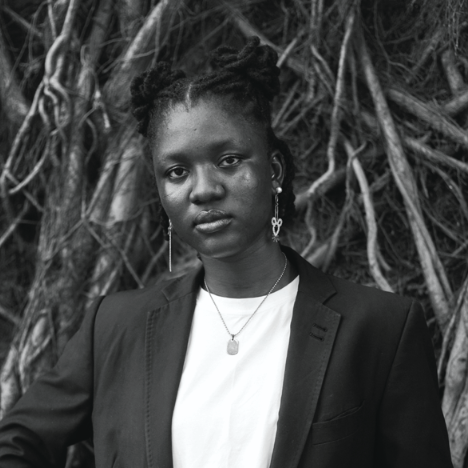
Temiloluwa Johnson is a photojournalist and storyteller based in Lagos, Nigeria. Her work centers around identity, social and cultural expression, and environmental issues. In 2025, she became the only Nigerian photographer on the World Press Photo Award list for Africa, winning in the Singles category. Her photographs have been published in Photovogue, The Continent, and The Republic. She has been shortlisted for the Ian Parry Photojournalism Grant and the Magnum Photos Beyond The Silence award.
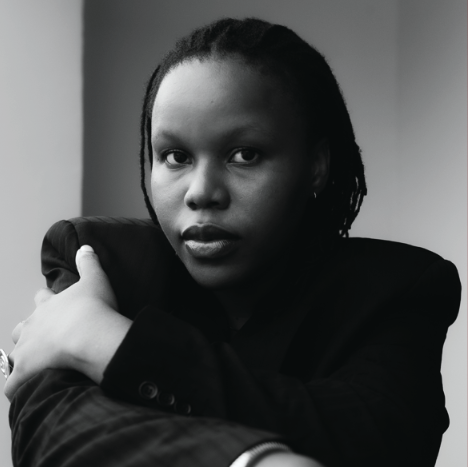
Amarachi Nnoli is a documentary photographer whose practice explores women in different fields of life and the archiving of Igbo cultural practices. She completed the Dikan Photojournalism and Documentary Practice Program in Accra and an African Digital Heritage residency in Kenya. Her work has been exhibited in London, Chicago, Zaragoza, and Lagos. She is a founding member of the Ahutan Collective and a member of Black Women Photographers and African Photojournalism Database.
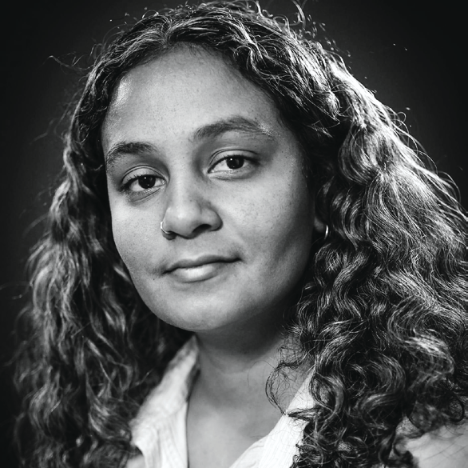
Jodi Windvogel is a South African documentary photographer and filmmaker whose practice centers on long-form narrative storytelling. Her work explores land, memory, gender, displacement, and social inequity, working to shift how communities subjected to injustice are seen and understood. A member of APJD and Women Photograph, Jodi was the global recipient of the 2023 Fujifilm GFX Challenge Grant for her project on femicide in South Africa.