
Mentorship Is Rebuilding the Medical Entomology Workforce — With Women Leading the Way
By Kelly Zongo, Anne Heggen, Daniel Boakye
Photography by Justin Makangara
For decades, a small group of dedicated medical entomologists has spent thousands of hours collecting black flies in some of the most remote regions of Africa. Their work provides the evidence national programs rely on to determine when community-wide treatment for onchocerciasis, also known as river blindness, can safely halt. River blindness is a parasitic disease that causes severe itching and, if left untreated, can lead to irreversible blindness. These scientists are the detectives of disease elimination.
Today, that expertise is at risk. As many countries approach the point of elimination, a stage that depends heavily on specialized vector expertise, a generation of scientists is retiring. Without a strong and inclusive pipeline of new talent to fill this gap, countries risk losing the capacity needed to sustain progress. However, a new cadre of experts is emerging that will not only ensure elimination can be verified and maintained, but will reshape the field of medical entomology.
Now, thanks to a new Field Entomology Mentorship Program supported by the END Fund, the Reaching the Last Mile Fund, and the Judith Nelson Foundation, a new cohort of recruits, with a deliberate focus on women, is being trained in this vital discipline. The program pairs retiring experts with early-career scientists, ensuring that decades of hard-earned technical knowledge are transferred before it is lost.
How the pipeline narrowed
In the 1970s, a multinational effort led by the World Health Organization focused on controlling the black fly to interrupt transmission. This strategy required significant investment in training and deploying specialized vector experts to support large-scale control programs.
In the late 1980s, the introduction of an effective treatment, mectizan, transformed the response. Merck’s unprecedented commitment to donate the medicine for as long as needed made large-scale community distribution possible and dramatically accelerated progress against river blindness. The shift from vector control to mass drug administration saved millions from suffering and stands as one of the most consequential pharmaceutical donations in global health.
But as programs increasingly centered on delivering medicine, investment in training new vector specialists declined. Since the 1980s, the expansion of mass drug administration programs across at-risk communities reduced the demand for highly specialized entomological expertise, narrowing the talent pipeline. Now, as countries approach elimination and the focus shifts back towards rigorous entomological verification, the consequences of that gap are becoming clear.
The opportunity: building a stronger, more inclusive workforce
This moment is not only a challenge — it is an opportunity to reshape the field.
Another dimension of the growing need for medical entomologists is the field’s historic gender imbalance. Most vector experts trained during the black fly population control era of the 1970s and 1980s were men, reflecting a period when women were rarely invited into the discipline. Today, few younger scientists, especially women, are stepping in to carry this knowledge forward.
“When I started, there were almost no women in this work,” said Daniel Boakye, a pioneer in river blindness entomology with more than 50 years of experience. “Now we must ensure that those who follow inherit not only the science but also the confidence and space to lead.”
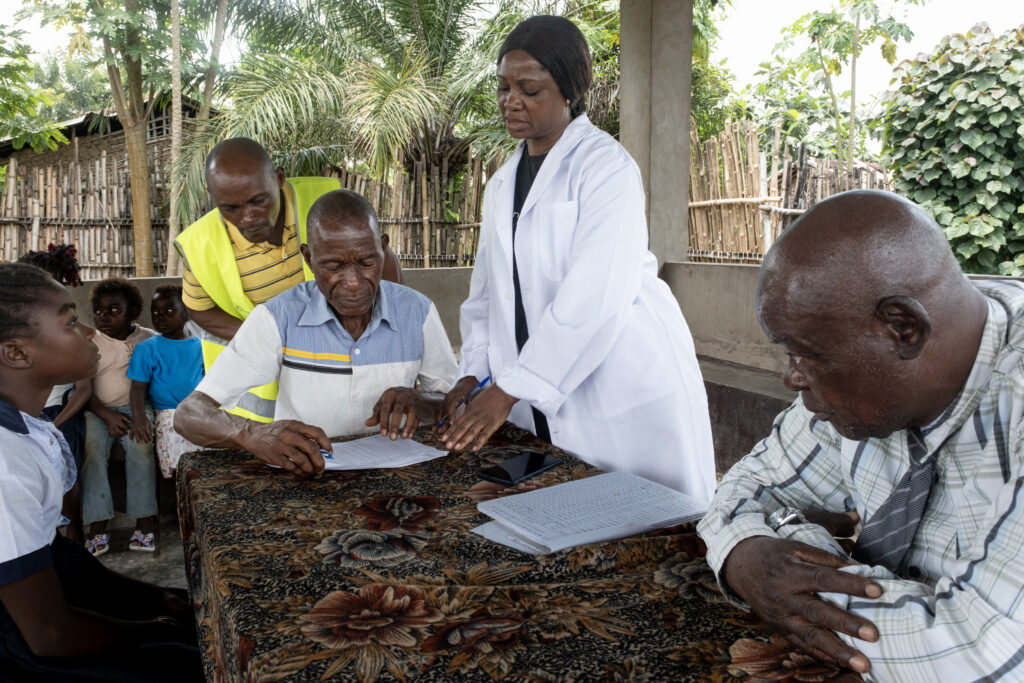
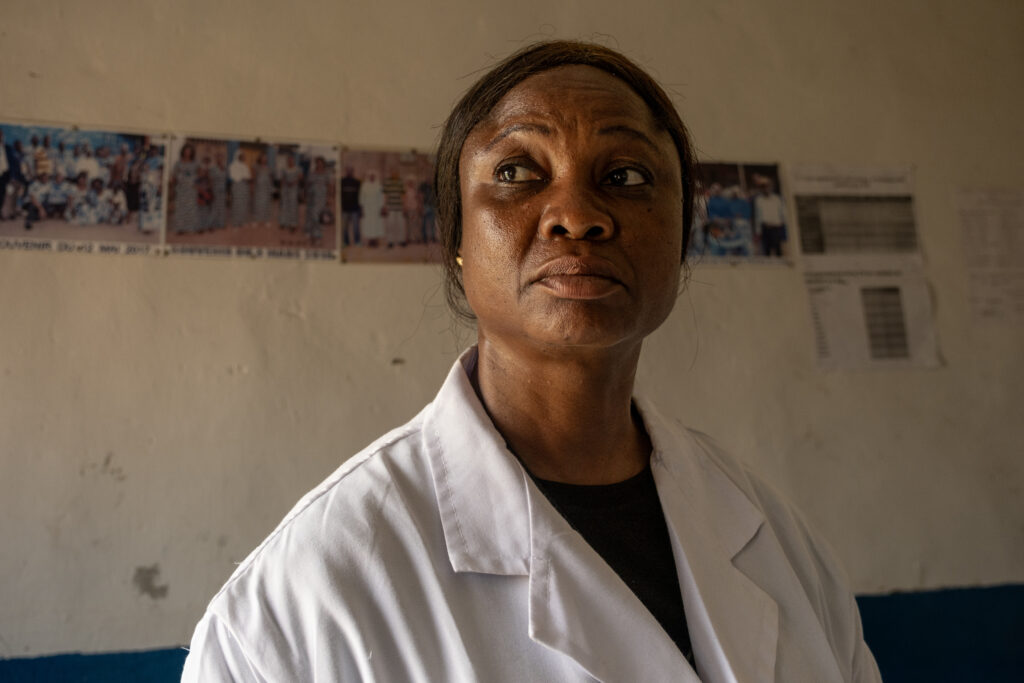
Dr. Francisca Fataki, a medical doctor in the Democratic Republic of Congo (DRC), and a participant in the mentorship program, first began working on neglected tropical diseases (NTDs) during her studies in 2008. At the time, there were few entomologists to learn from, and the country’s only medical entomologist for river blindness had recently passed away. Today, the national NTD program in the DRC does not have a medical entomologist on staff. In 2025, Dr, Fataki joined the END Fund’s mentorship program to develop the expertise needed to fill that gap.
Women are ready and eager to lead in this field, yet their paths are often obstructed by structural and cultural barriers. Many carry a double burden: pursuing demanding professional roles while also managing primary caregiving responsibilities at home. Cultural norms, safety concerns, and menstruation taboos can further restrict access to the very rivers and forests where black flies breed.
Despite these constraints, women have consistently demonstrated their ability to master the technical rigor of catching, dissecting and analyzing flies, while meeting the practical demands of fieldwork. This includes traveling across districts to locate breeding sites, supervising fly captures and spending weeks away from their homes and families.
For Dr. Fataki, confronting these diseases requires going where they occur: remote, underserved communities. “When we say neglected tropical diseases, we’re talking about diseases that affect the most impoverished people living in very remote areas. They are not found in urban areas. You can’t love working in the fight against neglected tropical diseases without enjoying fieldwork.”
Why women strengthen elimination programs
What women bring is not only technical expertise, but a measurable advantage in community engagement.
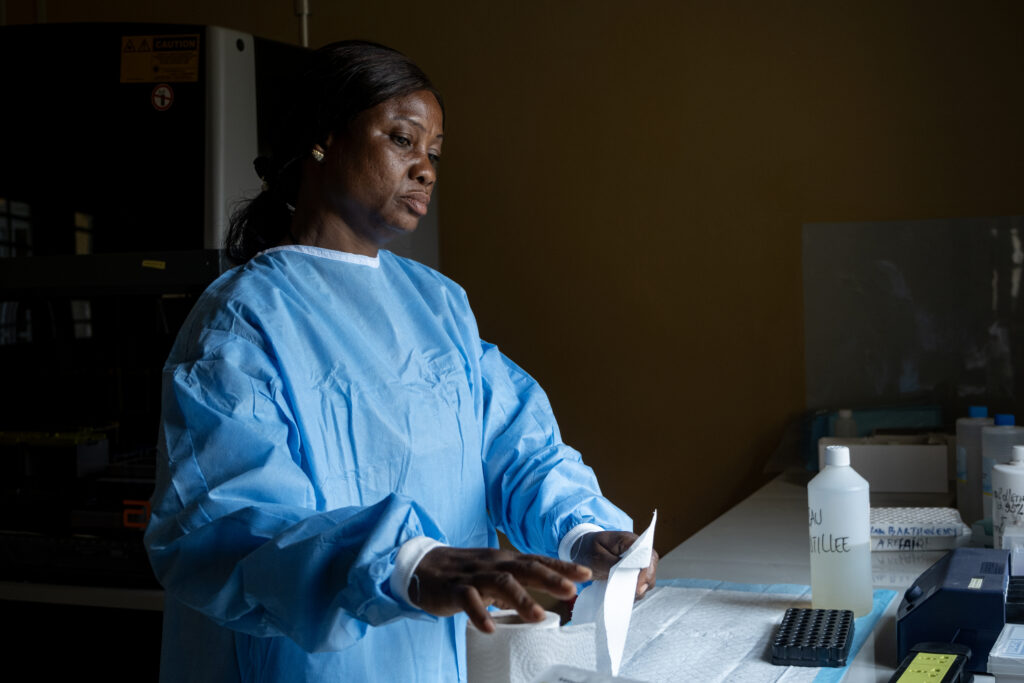
Her experience reflects a broader shift toward more integrated approaches to public health. “This work enables us to build our capacity beyond our initial field of expertise and to contribute to a range of public health priorities,” she explains. “We must not limit ourselves solely to laboratory work; we must also get involved in other health programs.”
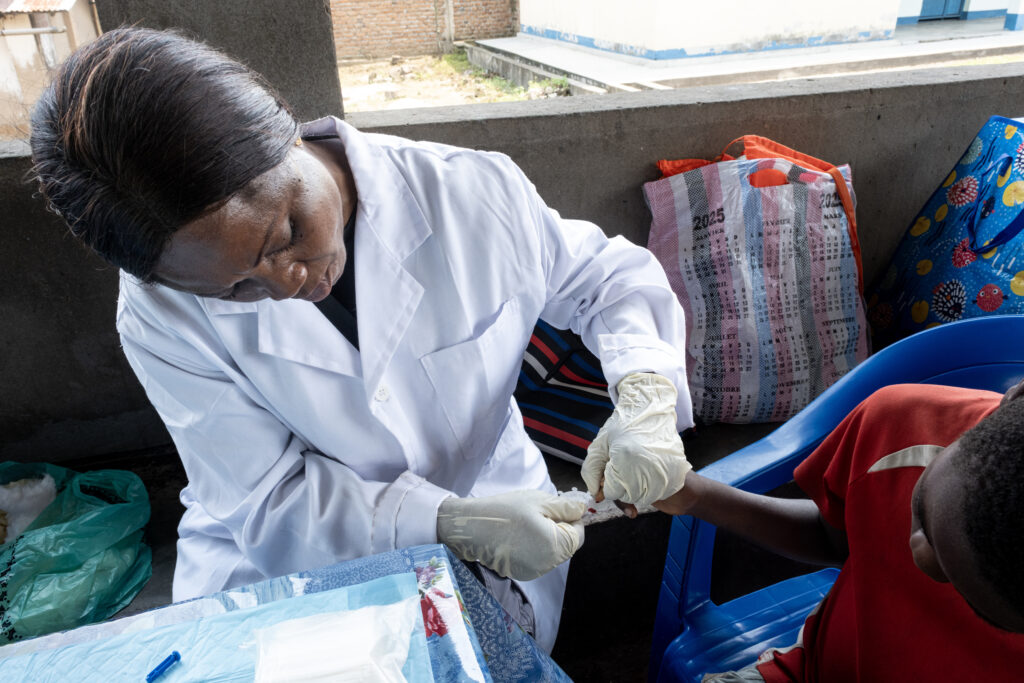
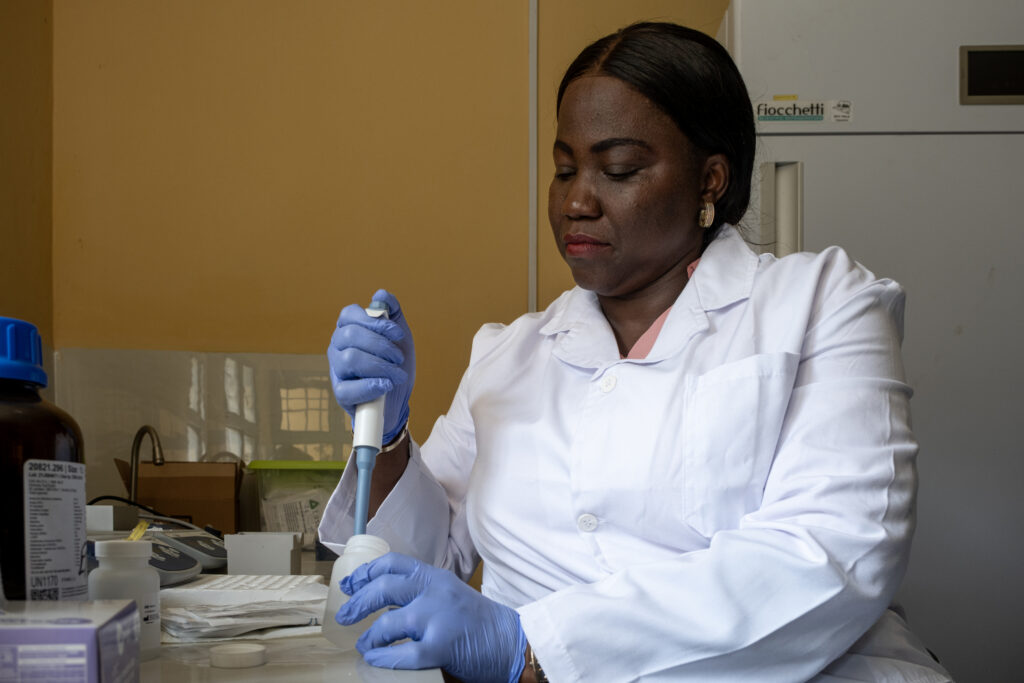
She underscores the principles guiding her work: “Science is not about gender, but about competence, commitment and perseverance.” In that sense, her experience speaks not only to the importance of technical rigor, but to the vital role laboratories play in advancing public health — and the growing presence of women leading that effort.
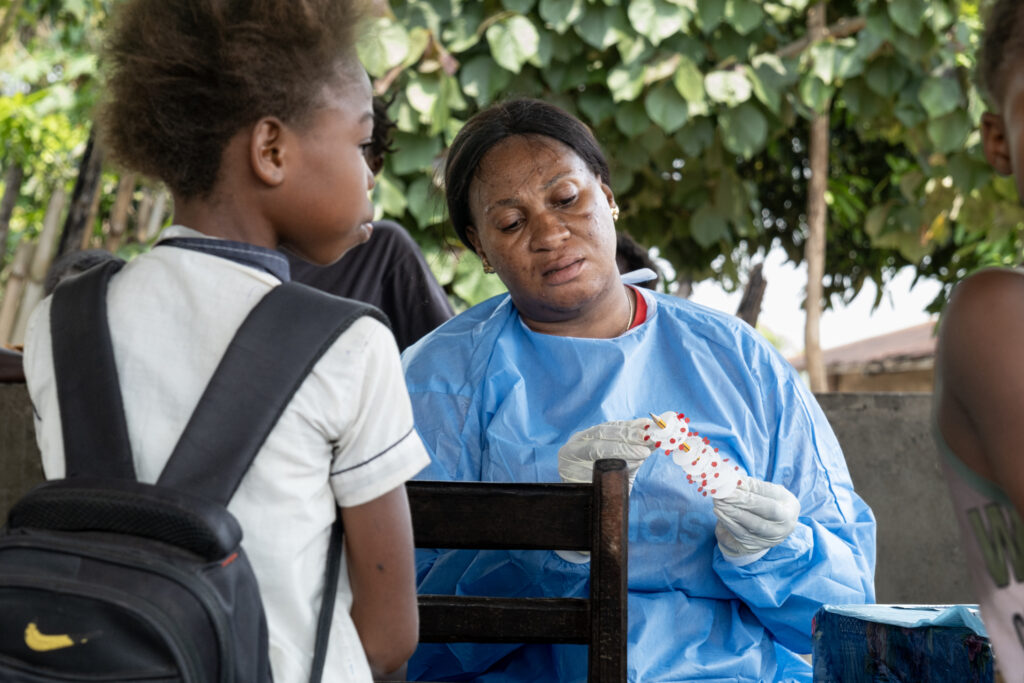
Community trust is fundamental to elimination programs. Entomologists depend on residents to identify breeding sites, share local knowledge of river systems, and welcome teams into their communities. Such relationships enable more accurate mapping and can reduce the amount of time required in the field.
Research indicates that women often demonstrate strong listening skills, patience in training and are more empathetic communicators – attributes that can strengthen engagement with communities. Women are better positioned to secure access to female-headed households and to speak directly with women in the home, which can improve understanding of interventions and support higher participation.
In many settings, cultural norms limit direct interactions between male field workers and women within the household, which can constrain communication and access. That same dynamic applies to surveillance for river blindness. Therefore, access, trust, and communication are not “soft skills”, but critical operational advantages.
Ellen Biney, Ghana’s national entomologist, has faced skepticism throughout her career. “They say women can’t go to the river — that we’ll drown or can’t handle it. But the truth is, we manage fine. What makes it hard isn’t biology; it’s bias,” she said.
Dr. Fataki believes the issue is not capability, but opportunity. “People say women are too weak for the river, but that’s not true. It depends on the individual. Women can be just as strong and often more focused. We just need training, safety equipment, and support.”
Mentorship as a solution
Guided by the imperative to ensure skilled entomologists are available across the continent to mobilize as countries approach elimination targets, the mentorship program extends beyond fly collection. It responds to growing demand for medical entomologists who can advise Ministries of Health on surveillance strategies, interpret entomological data for decision-making, and guide the final push toward elimination.
Through mentorship, experienced scientists transfer technical expertise while modelling leadership and professional practice. By deliberately focusing on recruiting women, the program signals that the future of entomology must look different from its past.
Early results are already visible. Across two rounds of the program, 11 mentees from 10 countries are developing the skills required to lead field teams, present findings at conferences, and challenge outdated practices. Mentor–mentee relationships are evolving into cross-border professional networks, strengthening professional confidence, collaboration, and long-term institutional capacity.
Why women matter for elimination
River blindness elimination is within reach in parts of Africa, but success demands more than distributing medicine. It requires the technical precision to confirm that transmission has truly stopped.
If retiring expertise is not replaced, progress risks stalling at the final mile. Yet this moment also presents an opportunity to rebuild the field more equitably.
Women bring scientific rigor, resilience in the field and proven strength in community engagement. Empowering them is not simply a matter of fairness, it is a strategic investment in achieving elimination.
At the END Fund, we believe that ending river blindness depends on strengthening the people who make elimination possible. Investing in women entomologists today expands the expertise and leadership required to reach the final stage of elimination and cross the finish line.