Visualizing Neglect
Neglected tropical diseases, commonly referred to as NTDs, threaten approximately 1.5 billion people globally including nearly 1 billion children. They are life altering, causing physical, cognitive, and emotional damage – some can even cause death. NTDs often carry social and mental health consequences. Collectively, NTDs hinder educational outcomes and stagnate economic growth for communities.
Without addressing NTDs, the world will not achieve the Sustainable Development Goals, also referred to as SDGs. Goal three of the SDGs is to ensure “ensure healthy lives and promote well-being for all at all ages.” And specifically, target 3.3 calls for the elimination of NTDs by 2030. Moreover, Goals like “No Poverty” and “Zero Hunger” are closely tied with ending NTDs.
While the diseases are dubbed ‘neglected’ by the World Health Organization (WHO), it is the people who are most impacted by them that are neglected by society and systems. As a result, programs to address NTDs receive a fraction of the resources invested in health issues affecting wealthy populations. Americans spend roughly 40 times as much on veterinary care for their pets per year, than the global community spends on addressing these diseases.

Despite the odds, an international coalition of national and local governments, philanthropic donors, community leaders, and private sector partners have made incredible progress against these diseases. The WHO’s NTD Roadmap set the ambitious goal of 100 countries eliminating at least one NTD by 2030 — 58 countries have officially eliminated at least one NTD as of early 2026.
To put progress into perspective, from 2010 to 2022, the number of people requiring treatment for NTDs fell from an estimated 2.19 billion to 1.62 billion — a 26 percent decline. However, between 2022 and 2023 alone, an additional 125 million people were freed from the burden of disease1, marking a 7.7 percent decline in just one year — the steepest reduction in global NTD burden ever recorded. This country-led success has seen a profound positive impact on the lives of individuals, communities, and even national economies. In Nigeria, for example, eliminating all NTDs by 2030 could generate an estimated $19 billion in economic gains2 for the national economy.
With that progress in mind, the following visualizations tell a history of both neglect and triumph against disease. They depict the burden of six NTDs by country, the number of people requiring and receiving treatment, and trends over time. The data is sourced from a combination of the WHO (ESPEN),United Nations, and the END Fund (visceral leishmaniasis data).
* Data collection and reporting practices vary by country, and complete figures are not available in all cases. The visualizations therefore reflect the best available data as of January 2026, the time of publication. In many instances, reporting is delayed by several years. The most recent 2023 data was not released until the fall of 2025.
[ PS: This story reads and looks better on a larger screen. ]
Data | ESPEN, WHO, United Nations
Total Treatments Estimated to be Required
[ across only the selectedall neglected tropical diseases ]
country
Name
Population requiring treatment
[ per 100,000 people ]
| Intestinal worms | [2022] | 0 |
|
| Lymphatic Filariasis | [2019] | 0 |
|
| River blindness | [2023] | 0 |
|
| Schistosomiasis | [2022] | 0 |
|
| Trachoma | [2022] | 0 |
|
| Visceral Leishmanisasis | [2022] | 0 |
In case the most recent year isn’t the highest value, the brown thinner bar behind the colored bar (and value + year to the far right) shows the maximum past value as context.
* | This is based on the population targeted for treatment.
* | This is the estimated population.
% of population
[ relative ]
total population
[ absolute ]
As of 2026, the END Fund is active in the 31 countries marked on the map with a darker color, such as Nigeria, India, and Angola.
Within these countries, the END Fund works with governments and partners to control and eliminate six of the most common neglected tropical diseases:
Intestinal worms
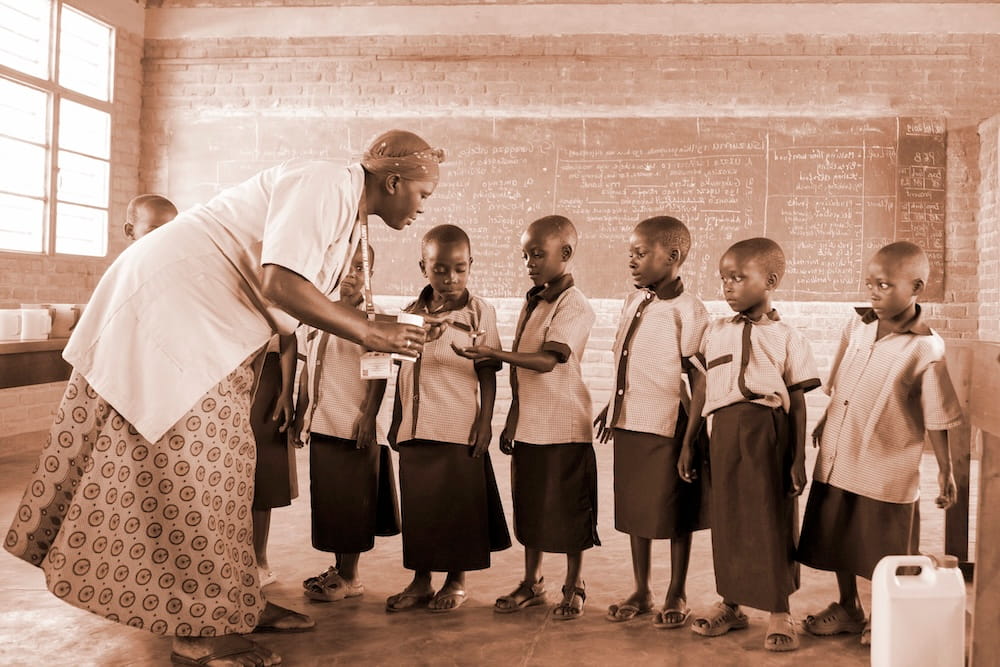
Intestinal worms are a group of parasites transmitted through contact with contaminated soil. Infection can occur by accidentally swallowing eggs on unwashed hands or contaminated food and water, and particularly for hookworm, when larvae penetrate the skin while walking barefoot.
Children are especially vulnerable to the effects of these infections, leading to stunted growth, impaired cognitive development, and reduced performance in school – while the caregiving burden they create often falls on women and girls3.
These are also known as “Soil-transmitted helminthiasis” and shortened to STH.
The (blue) slices that have appeared on the map represent the percentage of the population that require treatment for intestinal worms in each country. The larger the slice, the more people that require treatment.
You can also switch to the total number of people requiring treatment using the toggle in the top-right of the map.
Lymphatic Filariasis
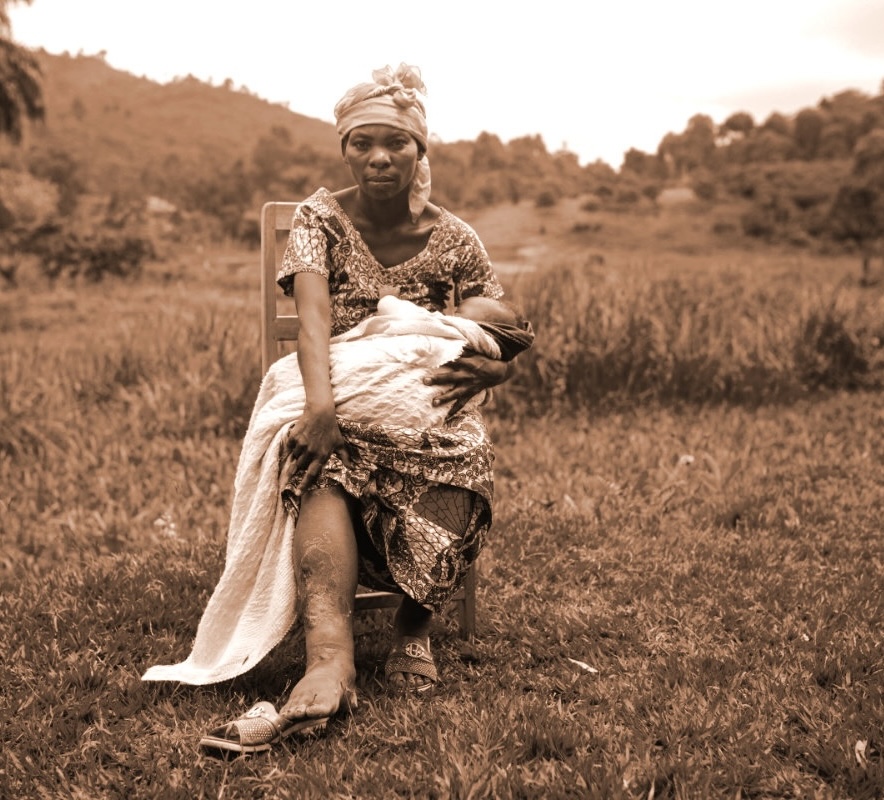
Lymphatic filariasis is a parasitic disease transmitted by mosquitoes that causes chronic swelling of body parts, resulting in physical disability.
Most of the effects on a person’s mental health with lymphatic filariasis go unmeasured. It is not as simple as lost economic returns. People with lymphatic filariasis are often stigmatized and isolated from their community. They suffer from high rates of depression leading to long-term psychological harm and are at greater risk of poverty.
You will start to see some special marks appear instead of slices in certain locations. In some countries a disease might be not endemic [⨯], meaning that it’s not present.
In others, a disease could be no longer endemic [∅]; it used to spread regularly, but doesn’t anymore. This is the first step to eliminating the disease.
A handful of countries are one step closer to elimination and have an active WHO investigation pending [ ], which might take years, to confirm that the country has been officially able to eliminate [⦻] the disease.
See how Yemen, for example, has been able to eliminate Lymphatic Filariasis.
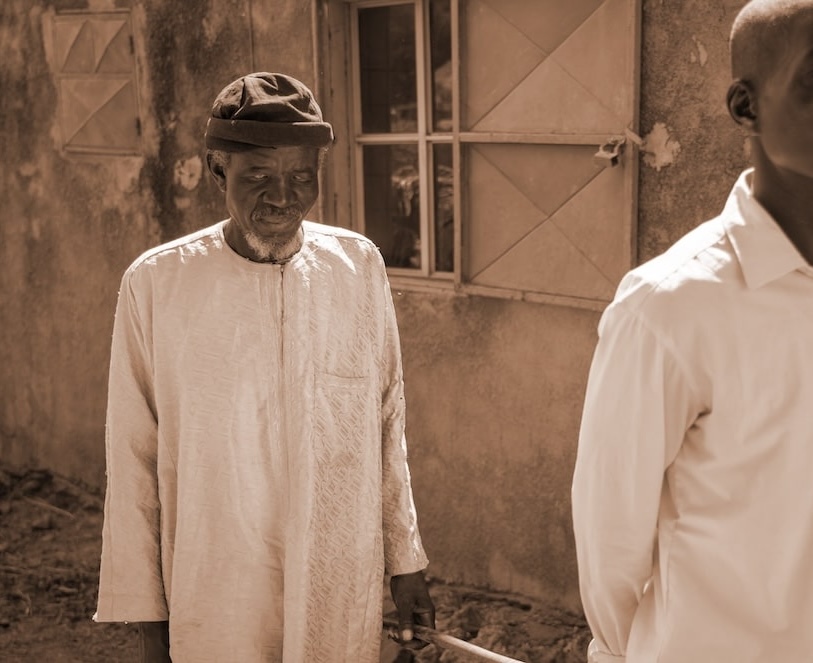
River blindness
River blindness, also known as onchocerciasis, is spread by the bite of black flies that live near fast-flowing water.
People with river blindness suffer from intense itching and may become permanently blind from the disease without treatment.
Niger recently became the first country in Africa to receive WHO verification for elimination of the disease, marking the culmination of a nearly 50 year control campaign.
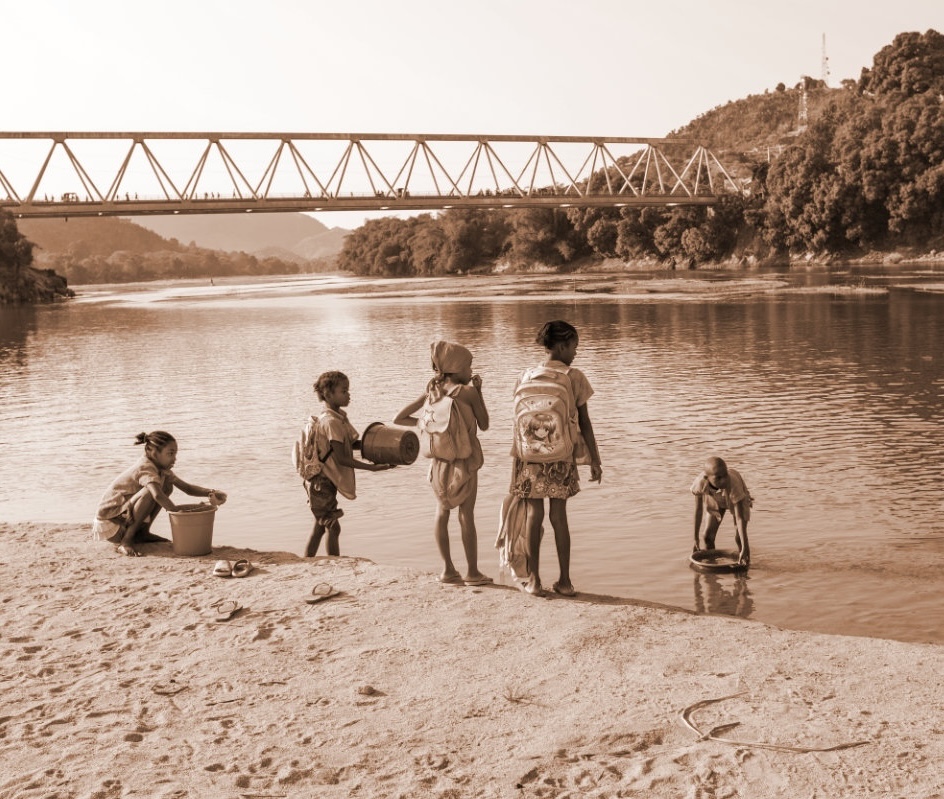
Schistosomiasis
Schistosomiasis is a water-borne parasite that is spread by freshwater snails.
It causes damage to the organs including the liver, kidney, bladder, and urogenital system. The effects can lead to serious illness or even death.
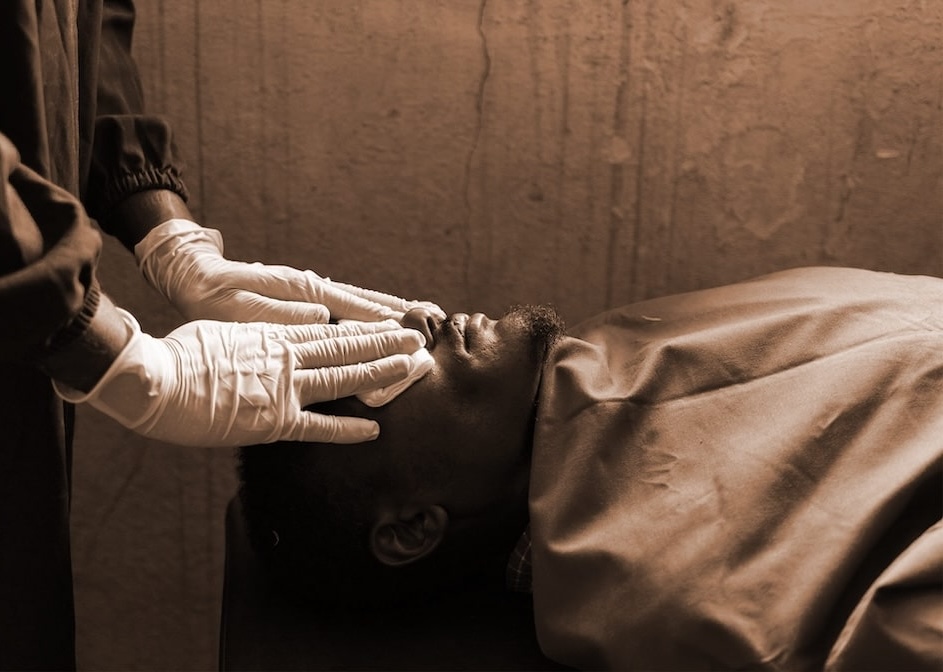
Trachoma
Trachoma is a bacterial infection that is passed through hand-eye contact, contaminated household items like bedding, and flies that feed on eye discharge. It is the leading cause of blindness due to infection worldwide.
Repeated infections cause the eyelids to turn inward and the eyelashes to painfully scratch the cornea with every blink, leading to permanent blindness.
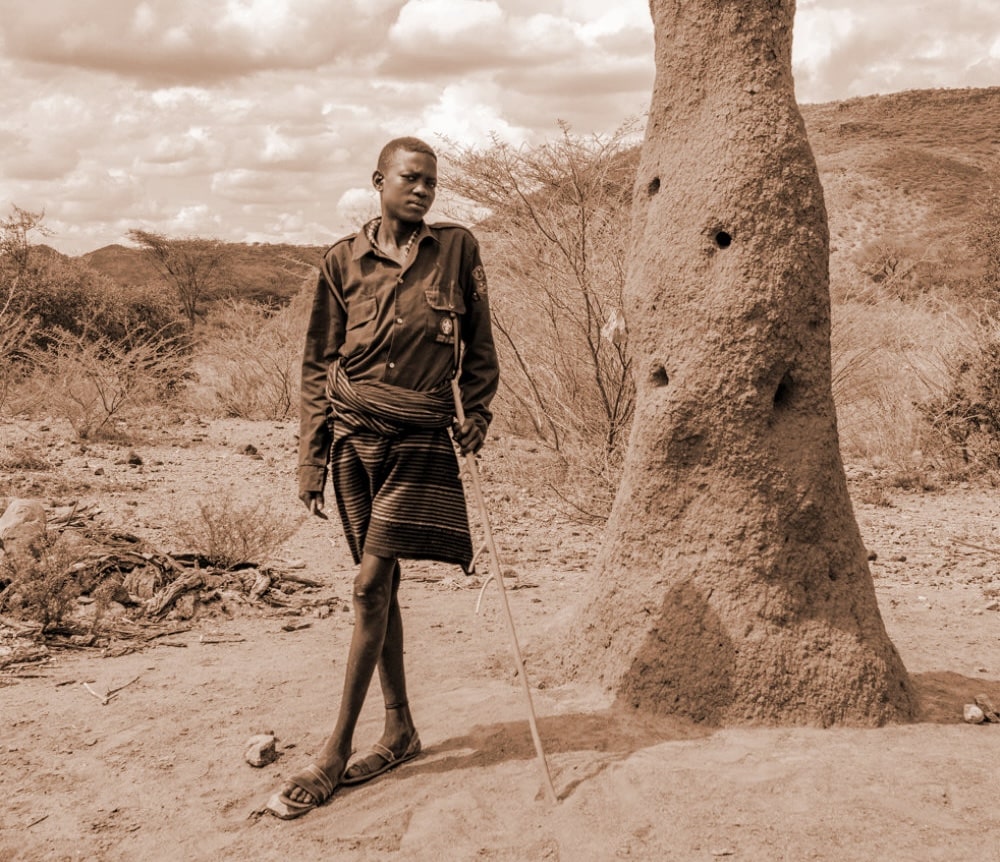
Visceral Leishmaniasis
Visceral leishmaniasis is a parasite transmitted by sandflies that invades the blood, attacking every organ in its path.
If left untreated, it leads to death in 95 percent of patients who develop severe symptoms.
Now that you’ve learned about all six NTDs, let’s take a closer look at these 31 countries.
India, Nigeria & Ethiopia
If we switch over to showing the absolute population requiring treatment, instead of the percentage, it becomes apparent that the burden of NTDs is not distributed evenly throughout the world. India, Nigeria, and Ethiopia collectively hold more than half of the global burden of NTDs, with over 1 billion people requiring treatment. These are some of the most populous countries in the world, so it makes sense their burden would be larger. But, it illustrates with sustained focus and political commitments, significant progress can be made.
The Missing Cases of VL
It’s estimated that East Africa holds 57 percent of the global burden of visceral leishmaniasis4, but the true numbers are unknown. Finding infected people is a resource-intensive effort led by case finders who travel from village to village. Inadequate health infrastructure, conflict, geographic distance, and migration contribute to the challenge of finding and treating cases.
Furthermore, a lack of easy-to-use diagnostics and limited network connectivity to report results add to the difficulty of disease identification and reporting. To date, Bangladesh remains the only endemic country in the world to eliminate VL.
Fatality Rates
Fatality rates are derived by dividing the number of cases by the number of deaths. However, because VL cases are under-reported, the number fatality rate is almost certainly higher. We know that VL kills 95 percent of people who do not receive medicine and blood transfusions, but goes down to less than 2 percent of patients who receive care.
Therefore, these country figures are far more representative of the rate at which treatment is delivered to patients. The higher the fatality rate, the more difficult the delivery and access of treatment.
Case Fatality Rate
| Ethiopia | 1.7% | |
| Kenya | 1.8% | |
| South Sudan | 0.2% | |
| Sudan | 3.2% | |
| Uganda | 0.5% |
Missing data also tells part of the story. Data is crucial to understanding how many people are infected with or at risk of disease, and to measure program impacts in order to create accurate strategies to eliminate these diseases. A lack of timely and accurate data is an ongoing challenge for NTD programs.
Missing data also reinforces structural inequalities. Populations that are hardest to reach – including mobile, displaced, or isolated communities — are often the least represented in surveillance systems. Without adequate data these communities continue to receive too little investment.
Conducting case finding and impact surveys is costly and time-consuming, and many countries lack the resources to collect data. Building this capacity is a crucial gap that donors and partners can help to fill.
Global progress to eliminate NTDs has accelerated with the sustained commitments of country government programs, donors, and partners and the holistic vision of the WHO 2021-2030 NTD road map.
If we look at a summarized view of all the countries, showing the population requiring treatment per NTD in the chart below, a very large number of people continue to require treatments for each NTD. However, progress is clear. Huge gains have been made in the control of lymphatic filariasis, thanks in large part to Nigeria’s ongoing effort, while both river blindness and intestinal worm burdens have also begun to dip.
The 2021 NTD Roadmap5 created milestones to measure countries’ progress in leading their NTD programs and not just relying on outside organizations. One measurement was to look at the number of countries who have integrated NTDs into their national health plans. The goal was to have 90 percent of countries endemic for an NTD to have them integrated into their national plans. To date, this number seems stalled at 24 percent, but this data does not tell the full picture. Not all countries have the same burden. If instead we look at the percent of people who require treatment for NTDs who live in countries that have integrated their plans into national plans, it jumps up to 72 percent.
However, loss of funding, climate change, and conflict continue to threaten progress. And considering that nearly 1.5 billion people globally are still at risk of these diseases, there is still considerable work still left to do.
The History of Eliminating Neglected Tropical Diseases

Let’s take a deeper look at the past two decades of history on the treatments given out for these NTDs.
Nigeria
Nigeria carries the highest burden of NTDs in Africa and the second highest globally, with 165 million people — 84 percent of the population — in need of treatment. The scale of the problem is compounded by the vastness and complexity of the country. Nigeria is made up of 36 states and nearly 800 local government areas with different cultures, languages, and economic and political landscapes. To meet that challenge, Nigeria has operated one of the world’s largest mass drug administration programs, averaging over 100 million treatments annually since 2019.
Ten years ago two thirds of the entire population in the country required treatment for lymphatic filariasis. The number of people requiring treatment has reduced by 97 million people over the last five years and more than 22 million in the Federal Capital Territory, Ekiti, Ondo, and Bauchi states alone in the last year, reducing the country’s burden of disease (of LF) by 72 percent, according to estimates calculated by the END Fund in April 2025.
The burden of LF has fallen dramatically as a result of one the largest locally driven disease elimination efforts in the world. This progress reflects not a single top-down strategy, but a coordinated network of community-led delivery, state leadership, and sustained partnerships that have brought mass drug administration, surveillance, and long-term patient care to scale across one of Africa’s most complex health landscapes.
Rwanda
Despite being endemic to both intestinal worms and schistosomiasis, Rwanda offers lessons that go deeper than just these diseases. Rwanda pioneered NTD integration into its primary health system – an example that is still being reproduced across Africa — paving the way for significant reduction in investor dependence.
Today, the END Fund is supporting the development of a framework that will serve as a key reference for policy makers, planners, and partners in resource mobilization, coordination, and implementation. The integrated health plan delivered through the national health insurance scheme, freeing its citizens of treatment costs6 that would otherwise be incurred to treat and prevent NTDs.
As the country continues to allocate more of its budget towards NTD management, we can clearly see that their country-ownership model has steadily found greater success in delivering treatments to those in need, nearly doubling coverage in the last five years.
While many countries saw disruptions to NTD programs during periods of global crisis, Rwanda’s treatment delivery rose – reflecting the strength and adaptability of its health system. Even at the height of the COVID-19 pandemic, Rwanda conducted nationwide mass drug administration by integrating NTD treatment into its established Maternal and Child Health Week in June 2020, as in previous MDA rounds. This ability to sustain – even scaling – essential services during multiple outbreaks helps explain why Rwanda’s NTD treatment figures rose at a time when many countries experienced sharp declines.
The Democratic Republic of the Congo
The Democratic Republic of the Congo (DRC) remains one of the countries most heavily affected by NTDs, a reality shaped by its vast and diverse geography, protracted political instability, and underfunded health systems. Spanning dense rainforests and expansive river basins, the DRC’s environment fosters optimal conditions for parasites and vectors of diseases like river blindness and schistosomiasis. Meanwhile, many communities remain cut off from clean water, adequate sanitation, and consistent healthcare — conditions that sustain NTD transmission.
As detailed in a recent Frontiers in Tropical Diseases article7 and can be seen in the graph above, the DRC has nonetheless achieved remarkable milestones in the elimination of lymphatic filariasis, once threatening over 53 million people across the country. Through coordinated national efforts, including 100 percent geographic coverage of mass drug administration, over 40 percent of the at-risk population has now transitioned out of treatment. The program’s success is rooted in community leadership, integrated delivery platforms, and sustained donor support.
Yet, the progress is precarious. Years of conflict and displacement continue to limit public health access, and the recent wave of global health funding cuts now threatens to stall or reverse momentum just as the country nears key elimination thresholds.
The DRC’s experience illustrates that NTD elimination is possible — even in fragile, post-conflict contexts — but requires both targeted health interventions and broader systemic investments. Without renewed global solidarity, the window to finish the job may close.
All Countries
Below you can find the historic data of all the 31 countries that the END Fund is active in and what percentage of the population received treatments in the past two decades.
Notably, some countries, for example Sierra Leone, which has reached the WHO threshold to halt preventive medication for lymphatic filariasis, continue to treat once endemic diseases. This is because diseases like lymphatic filariasis can cause elephantiasis, hydroceles, and lymphedema, which are all disability causing conditions – normally swelling of limbs, breasts, or scrotums – and can require treatment long after LF has been cured. This treatment phase is called morbidity management, and can last decades even after the cause of these conditions have been eliminated. Elimination is not only about stopping the spread of infection, but restoring the quality of life to those already affected.
Take a look at the countries below to get a historical view of the burden of these debilitating diseases.
Note | There is no historic information for Visceral leishmaniasis.
The Yearly Percentage of the Population Given Treatments

choose the y-axis maximum
max per country
100% for all
Data | ESPEN, WHO, United Nations
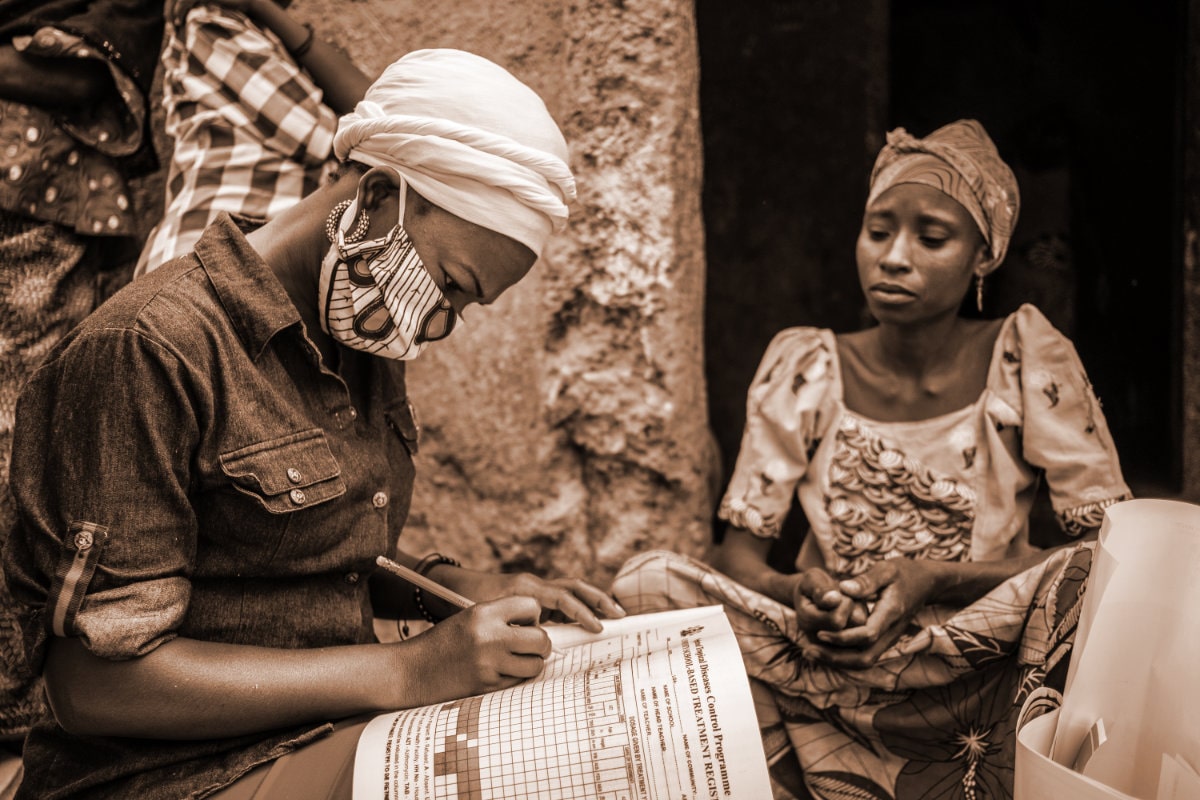
Investing in Elimination
First, some statistics to show the immense scale of NTD treatments that has been achieved:
- Nearly 17 billion treatments have been donated by pharmaceutical industry companies from 2012 to 2023.
- Pharmaceutical partners donate more than 1 billion treatments every year.
- Since 2010, together with our pharmaceutical partners, we have successfully decreased the number of people needing interventions by 26 percent (United to Combat Neglected Tropical Diseases8).
Narrowing down the actual cost of drug delivery can be a complicated process, depending on many local variables. The visual below utilizes an average delivery unit cost of $.70 per treatment identified by a 2015 study9 to show an approximate value of the investment gap between the cost to deliver treatments given versus treatments required.
Although the cost of delivery represents just a portion of the costs incurred to treat and eliminate NTDs, its representation here stems from the uncertainty around long-term financing of “last mile” drug programs. The last mile of drug delivery refers to the final and often most difficult stage of getting medicines into the hands (and mouths) of the people who need them most. And as foreign aid becomes more uncertain, these programs have been among the hardest hit10, inevitably leaving the most vulnerable – women, children, people with disabilities, and remote communities – left out as funding tightens.
The lighter outside shade represents the approximate cost of delivering treatment to the total population in need since 2005, and the darker inside share represents the approximate value of treatments delivered since 2005.
The space between is the dollar amount that would have been required to realistically deliver treatments to cover all populations at risk of intestinal worms, lymphatic filariasis, river blindness, schistosomiasis, and visceral leishmaniasis.
The Investment Opportunity
The gap between the investment required to treat everyone and the funding given each year is still significant.
Data | ESPEN, WHO, United Nations
Treating neglected tropical diseases is highly cost-effective and provides considerable benefits to health and development. But delivering treatments for more than a billion people requires significant investment and complex supply chains driven by the drug donation programs – from companies like GSK, Johnson & Johnson, Merck KGaA, MSD, Eisai, and Pfizer – meaning most NTD programs are not paying for these treatments.
Because pharmaceutical companies donate billions of dollars worth of medicine per year, the cost for organizations rests in the delivery of medicine, which can range between a few cents and a few dollars per person treated.
Conclusion
One out of every five people on the planet requires annual treatment to prevent neglected tropical diseases.
Reliable data on neglected tropical diseases remains one of the field’s biggest challenges. Many endemic countries with limited infrastructure must make difficult decisions about competing resources.
Many endemic countries face limited infrastructure and must make tough trade-offs. The lack of affordable, accessible diagnostics compounds the issue — making it hard to know where diseases persist, and who still needs treatment. Broader pressures like conflict, climate change, and the aftermath of COVID-19 have further strained health systems. And the recent termination of USAID’s flagship NTD program risks widening data and treatment gaps.
Still, what you see here reflects a remarkable global effort. Yet, protecting progress means keeping the most marginalized communities at the center — ensuring data systems, diagnostics, and delivery models are designed to reach those historically left behind, including people facing stigma, disability, conflict, and poverty.
Despite setbacks, more progress toward elimination has been made in the past two decades than ever before. As of early 2026, 58 countries have eliminated at least one NTD — a powerful step toward the 2030 goal.
To break that down even further, some diseases like trachoma have seen unprecedented control success in just the last year alone. Mauritania, Senegal, Burundi, and India have all announced trachoma elimination in 2025.
Progress against lymphatic filariasis is also reaching once considered inconceivable levels, falling by a staggering 172 million between 2023 to 2024. In the last three years, the African region has seen the largest percent decline in people needing treatment of all the WHO regions. A recent study11 forecasts that prevalence could conceivably reach elimination by 2029.
If everyone who no longer needed treatment in 2024 formed a nation, it would be the ninth largest country in the world. Since 2000, nearly 1 billion people worldwide have been freed from the need for annual treatment.
Clearly the will, tools, and strategies exist. The task now is to protect that progress and extend it — by strengthening data systems, expanding diagnostics, and ensuring the most at-risk communities remain at the center.
Data Notes & Methodology
The figures presented in this visualization should be considered approximate values with the intention of conveying a broad understanding of the world’s current NTD landscape, gaps and all. It should be used both as a tool to understand historic progress as well as a way to forecast the future of disease control.
Data Sources:
The data presented in this visualization draws primarily from the World Health Organization’s Expanded Special Project for Elimination of Neglected Tropical Diseases (ESPEN), which provides country-reported data12 on treatment coverage, disease prevalence, and programmatic progress across Africa. Additional demographic context—such as population size and density—was integrated using census and population datasets from the United Nations13 (prior to 2012) and ESPEN (2012 – present).
For visceral leishmaniasis, due to the limited availability of data, figures were sourced directly from internal reporting by the END Fund, based on programmatic activities and partner data. This inclusion reflects the need for more robust and transparent global data systems for VL and other under-reported diseases.
References
- World Health Organization (WHO) | Global Report on Neglected Tropical Diseases 2024 | WHO, 2024 | https://www.who.int/teams/control-of-neglected-tropical-diseases/global-report-on-neglected-tropical-diseases-2024
- The END Fund | Ending the Neglect: Cost-Benefit Analysis of Eliminating Neglected Tropical Diseases in Nigeria by 2030 | END Fund, 2023 | https://endfund.org/impact-stories/ending-the-neglect-cost-benefit-analysis-of-eliminating-neglected-tropical-diseases-in-nigeria-by-2030/
- Turner HC, et al. | Economic evaluations of neglected tropical disease interventions | PLOS Neglected Tropical Diseases, 2019 | https://journals.plos.org/plosntds/article?id=10.1371/journal.pntd.0007840
- World Health Organization (WHO) | Weekly Epidemiological Record: Neglected Tropical Diseases (WER 96/35) | WHO, 2021 | https://www.who.int/publications/i/item/who-wer9635-401-419
- World Health Organization (WHO) | Ending the Neglect to Attain the Sustainable Development Goals: A Road Map for Neglected Tropical Diseases 2021–2030 | WHO, 2020 | https://www.who.int/publications/i/item/9789240010352
- Zhao S, et al. | Global progress toward elimination of neglected tropical diseases | PLOS Neglected Tropical Diseases, 2024 | https://journals.plos.org/plosntds/article?id=10.1371/journal.pntd.0012371
- Frontiers in Tropical Diseases | Equity and access considerations in neglected tropical disease control | Frontiers, 2025 | https://www.frontiersin.org/articles/10.3389/fitd.2025.1605161/full
- Uniting to Combat NTDs | The Importance of Pharmaceutical Industry Commitments in Eliminating Neglected Tropical Diseases | Uniting to Combat NTDs, 2024 | https://unitingtocombatntds.org/en/neglected-tropical-diseases/resources/the-importance-of-pharmaceutical-industry-commitments-in-eliminating-neglected-tropical-diseases/
- National Academies of Sciences, Engineering, and Medicine | Global Health Impacts of Neglected Tropical Diseases | National Academies Press | https://www.ncbi.nlm.nih.gov/books/NBK525199/
- The Washington Post | Aid disruptions threaten access to malaria, HIV, and tropical disease medicines | Washington Post Investigations, 2025 | https://www.washingtonpost.com/investigations/interactive/2025/usaid-trump-malaria-hiv-drugs-death/
- PubMed | Recent evidence on neglected tropical disease burden and control strategies | PubMed, 2025 | https://pubmed.ncbi.nlm.nih.gov/41011745/
- WHO Regional Office for Africa (ESPEN) | NTD Maps, Data, and Dashboards | WHO AFRO, 2024 | https://espen.afro.who.int/maps-data/dashboards
- United Nations Population Division | World Population Prospects – Data Portal | UN DESA | https://population.un.org/dataportal/home?df=6b673ade-1a8f-499d-92d7-7734942169ea
Understanding Population Treated:
Amounts given for “Population Treated” often reflect the number of treatments delivered, not the number of unique individuals treated, as treatments can often be given to the same individual multiple times. This distinction is especially important in countries like Mali, Mauritania, and Eritrea, where communities may receive multiple rounds of treatment for intestinal worms (STH) in a single year-STH in particular requires multiple rounds of treatment. As a result, calculating precise case numbers can be difficult and the numbers given for “Percent of Population Treated” may appear artificially high, even when reporting is accurate.
Country Populations:
Population data for 2012–2025 were obtained from WHO and ESPEN. Because these sources did not publish population figures prior to 2012, earlier data were drawn from United Nations estimates. As WHO and ESPEN generally report slightly higher national population figures than the UN, the proportion of the population requiring treatment — and the proportion receiving treatment — may appear elevated in pre-2012 comparisons.
On Missing or Incomplete Data:
Some countries lack consistent NTD surveillance due to conflict, migration, limited infrastructure, or insufficient funding. These gaps are an important part of the story and underscore the need for stronger data systems and continued investment in frontline health work.
* Figures should be considered approximations based on the best available data. They reflect the scale of both programmatic effort and data limitations, offering a directional understanding of global NTD progress.
Design and creation of this data visualization story by Nadieh Bremer | Visual Cinnamon
Text copy by Henry Rosenbloom | END Fund
Data gathering & cleaning by Mitchell Tijerina