Sustaining progress through volatility: learnings from the movement to END neglected tropical diseases.
By Carol Karutu, Vice President, International Programs, the END Fund
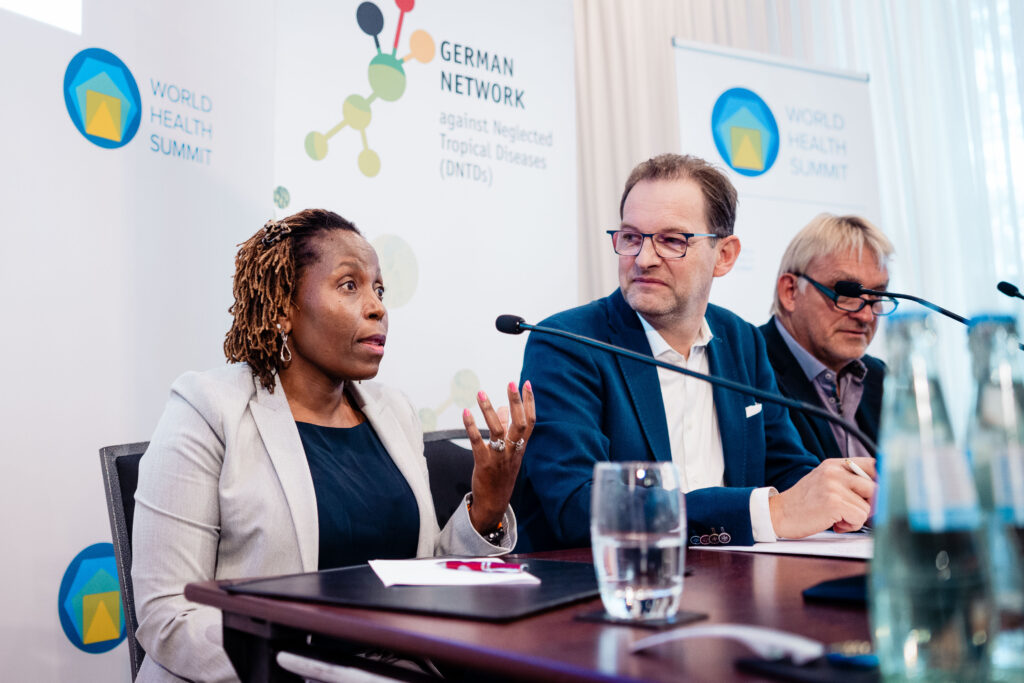
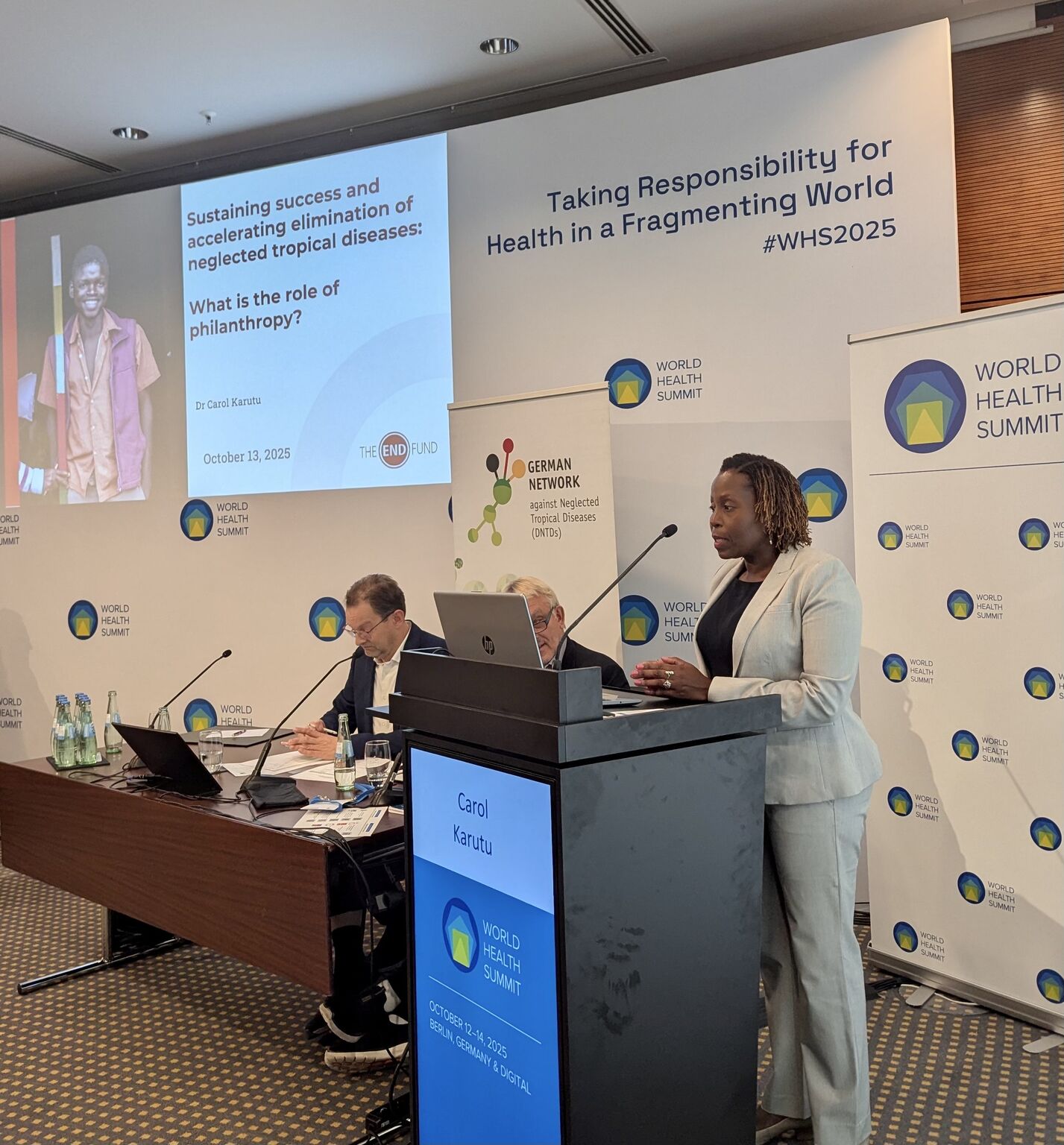
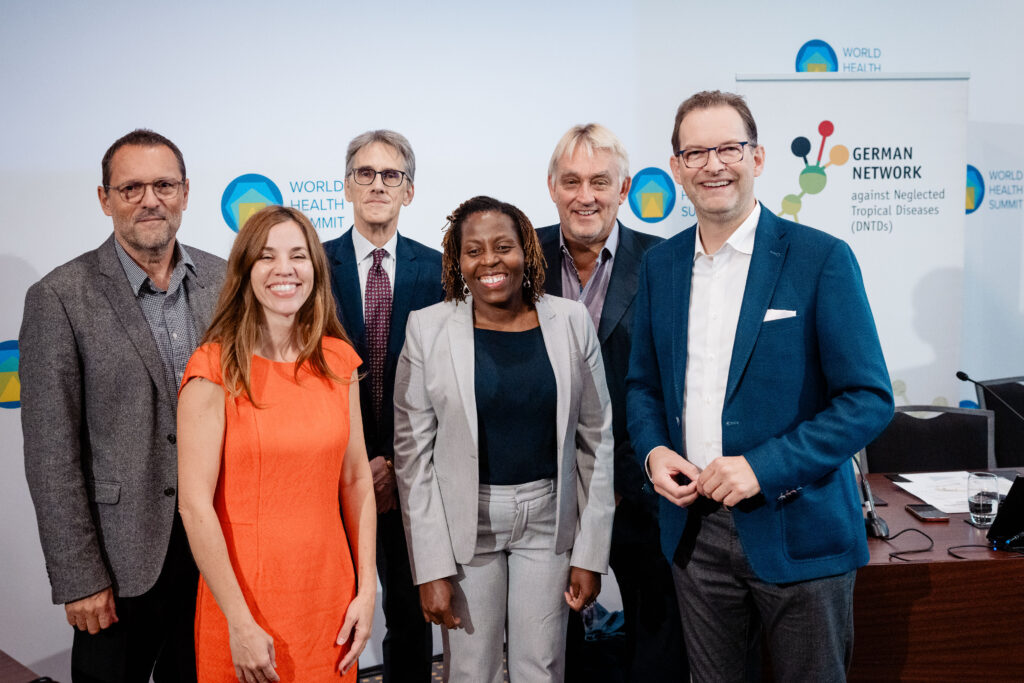
In October, at the World Health Summit, leaders from across the global health infrastructure came together around a shared mission: how do we build health systems that can sustain progress in an increasingly unpredictable funding landscape?
This question is at the heart of what we do at the END Fund. Neglected tropical diseases (NTDs) are both a symptom and a cause of weak health systems. And eliminating them requires us to think holistically about how we invest, collaborate, and work with countries to navigate an increasingly complex global aid ecosystem.
The END Fund model is intentionally built to withstand geopolitical shocks. By pooling resources from across sectors and channeling them through country-led programs, we reduce dependency on any single funding stream or political context. This approach aligns directly with the Accra Reset — a call for development cooperation that is rooted in African leadership and financing models that shifts power closer to communities. In this context, pooled funding is not just a financial structure, but a resilience strategy. It insulates programs from the volatility that often disrupts traditional aid flows and enables continuity of progress even when global priorities shift or individual donors face constraints.
Integrations for stronger systems
One of the central themes that emerged throughout the summit was the need for integration. Health challenges rarely occur in isolation, and neither should our interventions. When we integrate NTD programming into broader national health strategies – such as malaria control, immunization, maternal and child health, and WASH – we create systems that are more efficient, equitable, and resilient.
At the END Fund, we are already piloting these types of innovations. Primary healthcare systems provide an essential framework for integrating disease control programs into routine health service delivery platforms, ensuring sustainability and long-term impact. This is distinct from co-administration, often led by NGOs, which achieves some cost efficiencies in treatment delivery, but does not necessarily achieve sustainability and long term impact.
Integration and national government investment are interdependent. In the past five years we have seen a significant increase in budget allocations to NTD programming from a number of countries. Kenya and Ethiopia now allocate more than ten times what they did in 2021, and Rwanda- one of the early pioneers of national integration- has increased its allocation by nearly 20 percent since 2021. These shifts demonstrate a growing recognition that when countries take ownership of their NTD programs, the impact is stronger and more sustainable.
Cross-border initiatives, such as those championed by the African Union, also underscore how fundamentally our work is connected. Diseases do not stop at borders, and neither should the partnerships that aim to end them. Increased multinational coordination, through shared health strategies, pooled financing mechanisms, and regional trade and policy frameworks, positions Africa to make collective decisions that drive both health and economic resilience.
As Jean Kaseya, Director-General of the Africa CDC reminded audiences during the summit, “Africa today is the co-architect of global health security; we are not the invited.” His message underscores a fundamental shift in how Africa positions itself in global health: moving beyond the traditional top-down aid model, towards true partnership. The continent is an equal partner, designing, implementing, and leading its own health agenda.
Country-lead financing and co-investment
True sustainability begins when countries are in the driver’s seat. As funders, we have a responsibility to help build the conditions where that leadership can thrive. We have the privilege of working closely with a number of programs achieving sustainability through country ownership of NTD programs.
Kenya offers a powerful example of an integrated health program, ensuring that treatment and surveillance are not siloed, but part of everyday health delivery. Such effort has brought the country to the verge of eliminating lymphatic filariasis as a public health problem after the Ministry of Health piloted an innovative treatment in 2018, reducing the time to treat and break transmission of lymphatic filariasis from at least five years down to two years.
In the same vein, Kenya has also embraced digitization, using tools for real-time data collection, centralized data platforms for coordinated decision making, and infrastructure investments that connect to the most remote communities. This kind of innovation and ownership strengthens health systems as a whole, creating a foundation for sustainable disease elimination.
This accelerated progress towards elimination has been achieved by a partnership model that distinguishes the expertise of each stakeholder, enabling them to focus efforts on where they can achieve the most value towards a shared goal. Countries like Kenya build out strategic frameworks and in-turn the END Fund supports in the co-creation of a plan to deliver on those objectives and tackle the vital question of funding: what resources do we need, and who will support this work?
Co-financing between governments and partners ensures shared responsibility and long-term impact. Whether through national budgets, catered health systems, or integration into primary care programs, these investments signal that eliminating NTDs is not just a donor-driven goal.
Building trust
We have seen the transformative effect of this approach in our co-financing partnership with the Oromia Regional Health Bureau in Ethiopia. The END Fund committed its $1 million first – before government cycles allowed Oromia to release matching funds – stemming from our long standing relationship built on trust in the region’s leadership and plan. Once the Bureau contributed its matching investment, we co-developed the strategy, and Oromia led implementation.
What followed exceeded expectations: instead of the planned 2.5 million treatments across 77 districts, the Regional Health Bureau delivered 7.8 million treatments in 233 districts, navigating conflict and geographic hurdles that only local experience could bypass.
Trust-based, flexible financing is one of the most powerful tools we have to drive real change. It gives local partners the ability to innovate, maintain flexibility, and align resources with national priorities. But trust must also be reciprocal. Funders, too, have a responsibility to see through their commitments. True partnership cannot exist without reliability and transparency on both sides.
Looking Ahead
To borrow a COVID-19 era phrase: ‘this is the new normal.’ Traditional global aid streams are ideas of the past. Therefore, collaborative philanthropy works hand-in-hand with governments to fund locally led solutions that withstand global aid funding shocks and continue to evolve long beyond traditional funding cycles. Philanthropy’s comparative advantage lies in its flexibility, especially when delivered via pooled financing.
With this new reality in mind, and as I reflect on the discussion during the World Health Summit, I am encouraged by how aligned the global health community has become around these principles. It is clear to me that integration, local ownership, and flexible financing are the future of effective health investment, especially as traditional global aid pathways recede.
The END Fund exists to catalyze exactly this type of impact through collective action. As investors and partners make their 2026 plans, my hope is that we see ourselves not just as individual funders, but as part of a broader ecosystem. Together, we can protect the progress that has already been made, accelerate toward elimination goals, and build a healthier, more equitable future.