
Collaborative Philanthropy in Zimbabwe Leads to a Drastic Reduction of Neglected Tropical Diseases
In 2025, the global funding landscape changed dramatically, but END Fund partners continue to build sustainable programs…
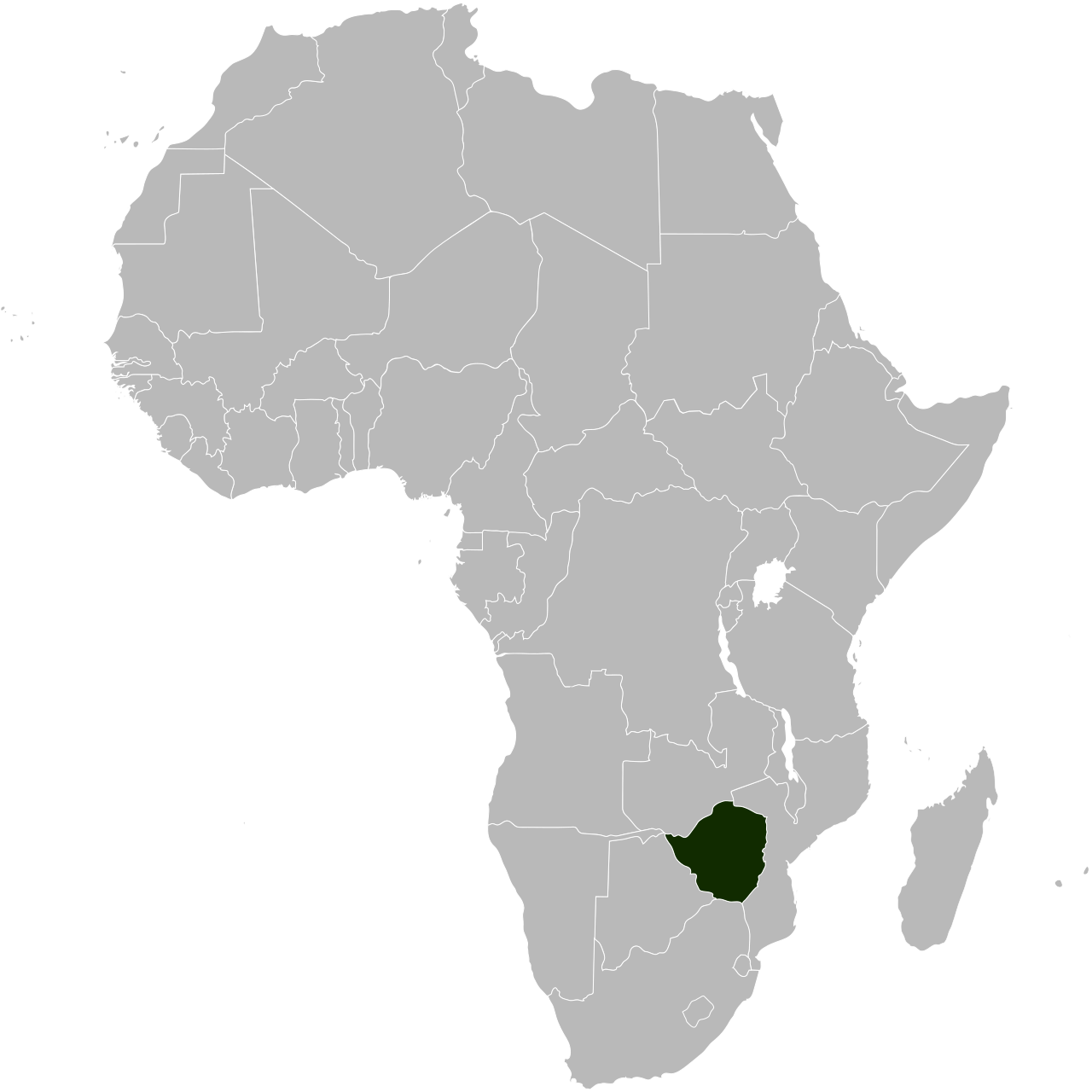
Since 2010, the Zimbabwe Ministry of Health and Childcare (MoHCC) has halved schistosomiasis prevalence, nearly eliminated soil-transmitted helminthiasis as a public health problem, and reduced the number of people needing treatment for lymphatic filariasis by an estimated 86%. A collaborative philanthropic partnership between Higherlife Foundation, Delta Philanthropies and the END Fund was essential for the momentum and the scale that enabled MoHCC’s gains.
“When we began, the burden was staggering. Nearly 23% of our school-aged children were suffering from schistosomiasis, with some districts seeing rates as high as 62%,” explained Dr. Isaac Phiri, National Coordinator of Neglected Tropical Diseases. Furthermore, up to 45% of children had soil-transmitted helminths, also known as intestinal worms. These infections cause anemia, malnutrition, and stunted physical and educational growth. The MoHCC began an extensive school-based deworming effort in response.
At the time, Higherlife Foundation, a philanthropic organization founded by Strive and Tsitsi Masiyiwa, had been investing in elementary and secondary education. The Foundation’s work in rural Zimbabwe had revealed how NTDs diminished children’s ability to attend school and thrive. It was a natural fit to expand their support to school deworming campaigns, leading to a crucial investment in the END Fund’s work in Zimbabwe. Moreover, the Masiyiwas were impressed with the END Fund’s approach of providing catalytic funding for country-led disease elimination and strengthening health systems to achieve sustainable results. With this first commitment, Mrs. Masiyiwa became a philanthropic champion for NTD elimination.
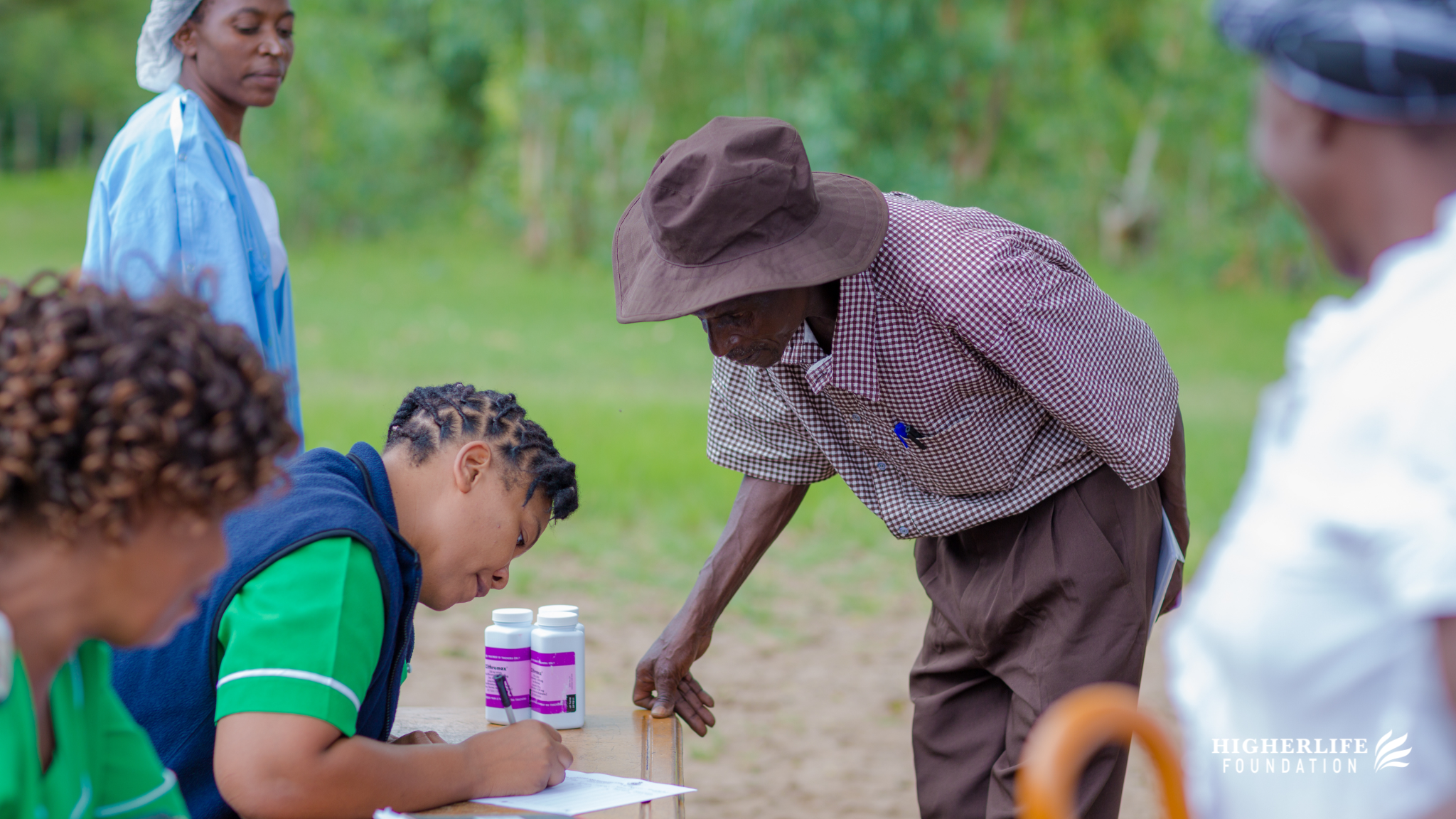
The funds initially provided technical assistance through an implementing partner in Zimbabwe. In 2014, the END Fund began partnering directly with the MoHCC in support of deworming treatment. In 2016, support expanded for the treatment of lymphatic filariasis and trachoma, with early wins including 100% geographic coverage for lymphatic filariasis treatment in the first year.
According to a report from the Economist Intelligence Unit, eliminating schistosomiasis, intestinal worms, and lymphatic filariasis as public health problems by 2030 could bring $300 million in productivity gains to Zimbabwe’s economy.
Surveys conducted in 2018 on the impact of mass drug administrations (MDAs) revealed significant gains, as well as opportunities to expand impact, particularly by reaching age groups who had previously not received treatment. These findings set the stage for an ambitious new phase of deeper collaboration between the two organizations.
In 2019, the END Fund made a proposal through the Audacious Project for an ambitious model to achieve proof of concept for breaking the transmission of schistosomiasis and intestinal worms — a feat not yet achieved in the African region.
Mrs. Tsitsi Masiyiwa emphasized, “There is a difference between simply committing funds and being committed to solving the problem. You have to go as far as it takes to see the solution through.” In this spirit of commitment, Delta Philanthropies (also founded by the Masiyiwas) became a leading funder of what became known as the Deworming Innovation Fund, alongside the Children’s Investment Fund Foundation, ELMA Philanthropies, Legatum, Virgin Unite and the Gates Foundation.
Through Deworming Innovation Fund, Delta Philanthropies channels funds directly to Zimbabwe. This investment enables comprehensive support to accelerate elimination. The MoHCC leads policy, planning, and implementation, working hand-in-hand with Higherlife Foundation, which supports community mobilization, teacher engagement, and last-mile logistics, and Delta Philanthropies and the END Fund provide funding, technical expertise, and strategy insights, and promote knowledge sharing across countries. Delta Philanthropies’ and Higherlife Foundation’s locally anchored support is inspiring domestic resource mobilization and sustainable health system financing in Zimbabwe.
The Deworming Innovation Fund’s advocacy efforts fueled governments in Ethiopia, Rwanda, Zimbabwe, and Kenya to collectively commit $4 million for NTD elimination.

In addition to reduction in disease burden, Zimbabwe has achieved higher treatment coverage, reduced service delivery cost through integration, and improved information systems to enable better intervention targeting. Professor Nicholas Midzi, Director of the MoHCC’s National Institute of Health Research, noted that, “A key result of this comprehensive support has been faster, more reliable data flowing from sub-districts to the central level, enabling timely decisions on complementary investments,” including improvements to water and sanitation services to break the cycle of infection.
This partnership proves that African-led collaborative philanthropy can achieve systemic change, embed NTDs into development agendas, and make elimination feasible.
“This isn’t just a win for our ministry,” said Dr. Isaac Phiri. “It is a blueprint for how national programs can translate global strategies into a healthier reality for every child.”