

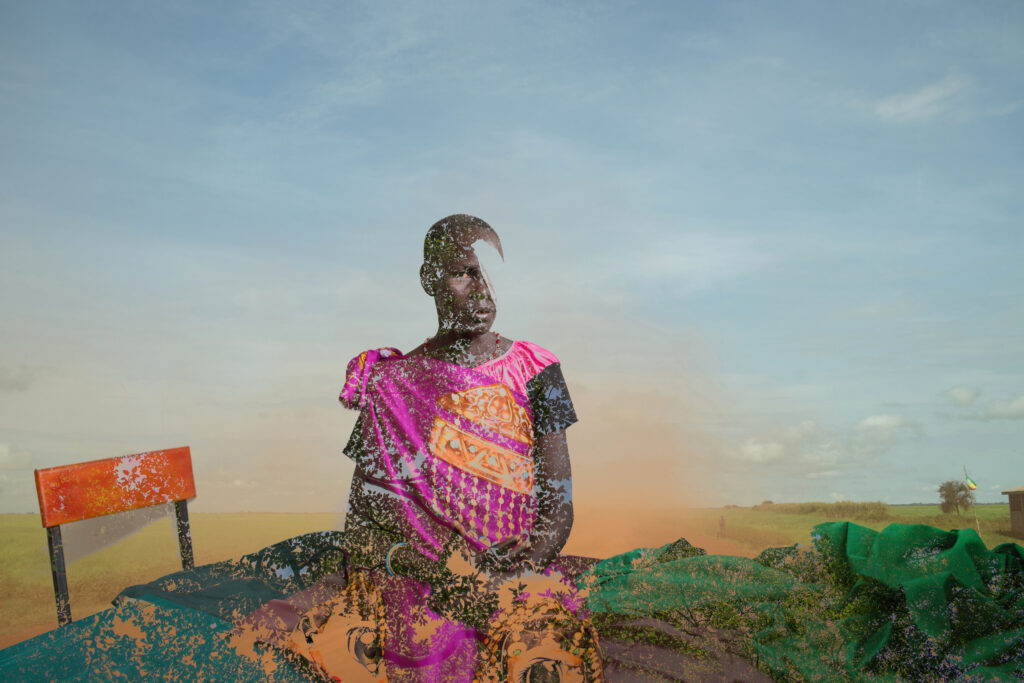
Through Her Lens Partner Toolkit
Through Her Lens is a collaborative photography project by the END Fund and African Women in Photography, journeying through the lives and experiences of women and girls affected by neglected tropical diseases across Africa.
READY TO SHARE SOCIAL MEDIA ASSETS
Help us share the stories of women and girls affected by neglected tropical diseases and bring their experiences into greater focus. Use these ready-to-share social media assets and captions to engage your community, raise awareness and help centre women and girls in the movement to end NTDs for all.
READY TO SHARE SOCIAL MEDIA CAPTION
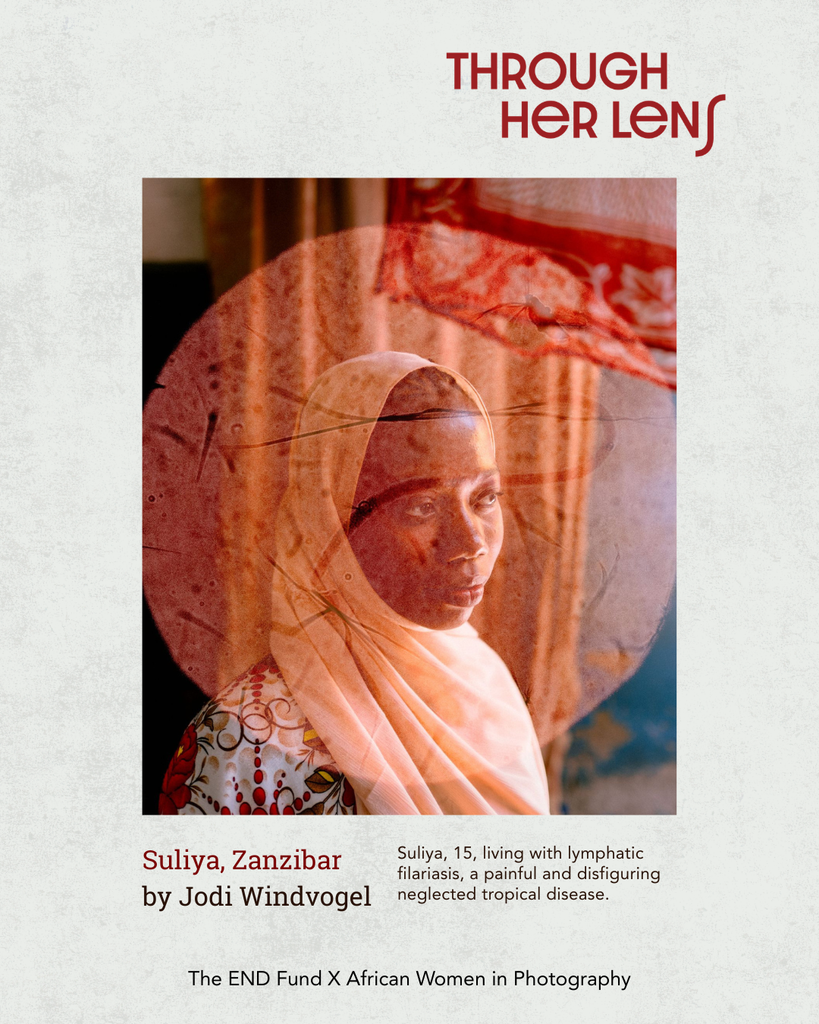
Five African women photographers. Five powerful perspectives. One shared focus: women and girls affected by neglected tropical diseases.
Through Her Lens is a collaborative photography project between the END Fund and African Women in Photography, featuring Maheder Haileselassie, Jodi Windvogel, Maureen Gathoni, Amarachi Nnoli and Temiloluwa Johnson.
It takes us into the homes, communities and landscapes where neglected tropical diseases are experienced every day, bringing stories that too often go unseen into focus.
Created by African women photographers, the project centers women and girls not only in the frame, but in how these stories are seen and told.
Unveiled at #UNGA81, Through Her Lens invites you to look more closely and recognize why women and girls must be at the center of NTD prevention, treatment, and care.
Learn more: ENDFund.org/ThroughHerLens
#ThroughHerLens #WomenAndGirls #EndNTDs #UNGA81
READY TO SHARE SOCIAL MEDIA CAPTION
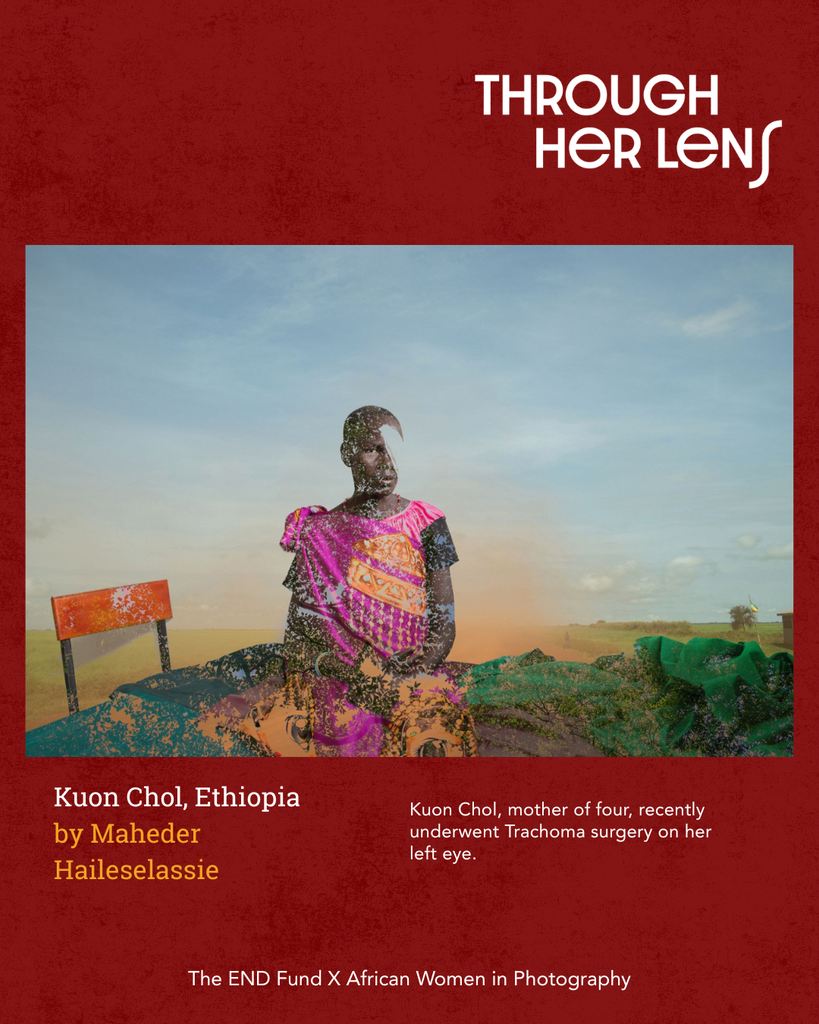
For women and girls, everyday life can increase the risk of neglected tropical diseases.
Through Her Lens is a collaborative photography project by the END Fund and African Women in Photography, journeying through the lives and experiences of women and girls affected by neglected tropical diseases across Africa. Five African Women Photographers each spent time in the communities they photographed, building trust and producing work that moves beyond clinical documentation into the social, cultural, and personal dimensions of these diseases.
The project invites us to look more closely at NTD elimination, and recognize why women and girls must be at the center of NTD prevention, treatment and care.
Learn more: ENDFund.org/ThroughHerLens
#ThroughHerLens #EndNTDs #WomenAndGirls
READY TO SHARE SOCIAL MEDIA CAPTION
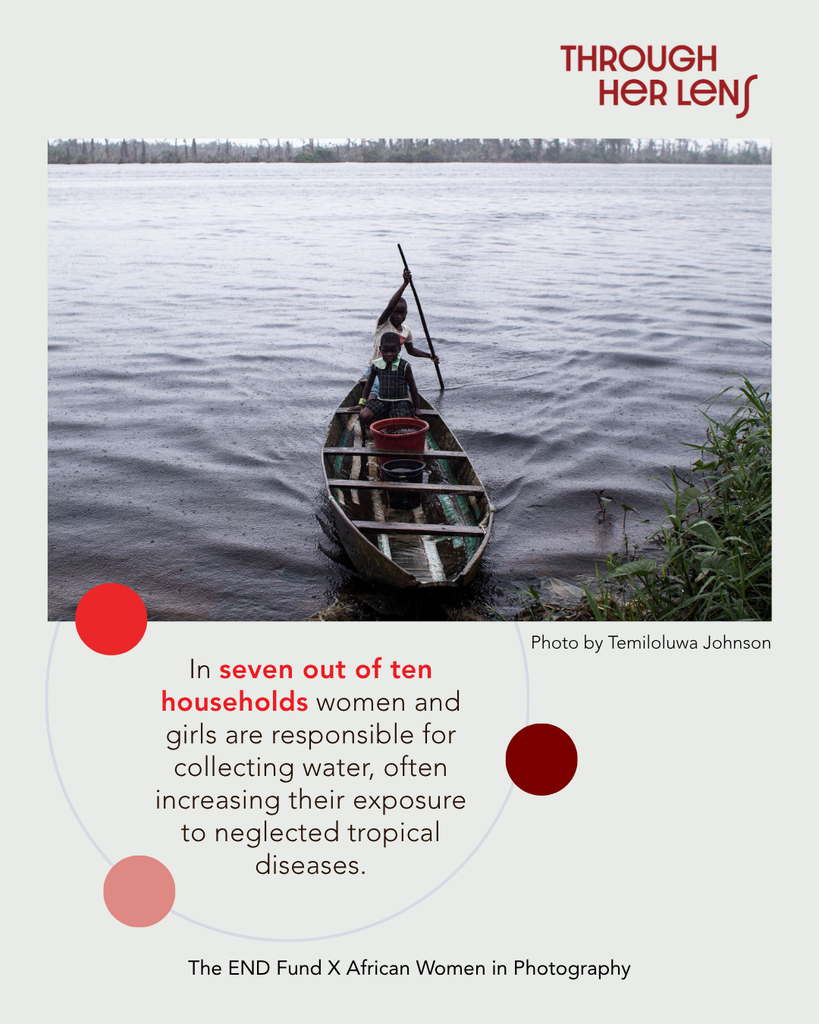
A new report from the END Fund examines a wide body of research to highlight why women and girls are among the most affected by neglected tropical diseases, but many of the challenges they face continue to be overlooked.
The report explores how biological factors, gender norms and unequal access to healthcare can shape women’s and girls’ exposure to NTDs, their health outcomes, and their access to diagnosis and treatment.
This matters as we approach 2030. Significant progress has been made toward controlling and eliminating NTDs, but to reach the WHO’s 2030 targets, we need to understand who may still be missed and why.
Read the research snapshot in full: ENDFund.org/ThroughHerLens
#EndNTDs #WomenAndGirls #GlobalHealth #ThroughHerLens
Ready to Share Social Post
Five African women photographers. Five powerful perspectives. One shared focus: women and girls affected by neglected tropical diseases.
Through Her Lens is a collaborative photography project between the END Fund and African Women in Photography, featuring Maheder Haileselassie, Jodi Windvogel, Maureen Gathoni, Amarachi Nnoli and Temiloluwa Johnson.
It takes us into the homes, communities and landscapes where neglected tropical diseases are experienced every day, bringing stories that too often go unseen into focus.
Created by African women photographers, the project centers women and girls not only in the frame, but in how these stories are seen and told.
Unveiled at #UNGA81, Through Her Lens invites you to look more closely and recognize why women and girls must be at the center of NTD prevention, treatment, and care.
Learn more: ENDFund.org/ThroughHerLens
#ThroughHerLens #WomenAndGirls #EndNTDs #UNGA81
Ready to Share Social Post
For women and girls, everyday life can increase the risk of neglected tropical diseases.
Through Her Lens is a collaborative photography project by the END Fund and African Women in Photography, journeying through the lives and experiences of women and girls affected by neglected tropical diseases across Africa. Five African Women Photographers each spent time in the communities they photographed, building trust and producing work that moves beyond clinical documentation into the social, cultural, and personal dimensions of these diseases.
The project invites us to look more closely at NTD elimination, and recognize why women and girls must be at the center of NTD prevention, treatment and care.
Learn more: ENDFund.org/ThroughHerLens
#ThroughHerLens #EndNTDs #WomenAndGirls
Ready to Share Social Post
A new report from the END Fund examines a wide body of research to highlight why women and girls are among the most affected by neglected tropical diseases, but many of the challenges they face continue to be overlooked.
The report explores how biological factors, gender norms and unequal access to healthcare can shape women’s and girls’ exposure to NTDs, their health outcomes, and their access to diagnosis and treatment.
This matters as we approach 2030. Significant progress has been made toward controlling and eliminating NTDs, but to reach the WHO’s 2030 targets, we need to understand who may still be missed and why.
Read the research snapshot in full: ENDFund.org/ThroughHerLens
#EndNTDs #WomenAndGirls #GlobalHealth #ThroughHerLens
PROJECT BACKGROUND
Over 1.4 billion people are affected by a neglected tropical disease (NTD), close to a billion of them children. NTDs cause severe pain and long-term disability, and are responsible for more than 170,000 deaths each year. These are among the most treatable conditions in global health, and several can be eliminated outright.
We developed this photography project because the numbers alone have never been enough. In partnership with African Women in Photography, we asked five female photographers to explore how NTDs affect women and girls across Africa. Jodi Windvogel, Maureen Gathoni, Amarachi Nnoli, Temiloluwa Johnson, and Maheder Haileselassie each spent time in the communities they photographed, building trust and producing work that moves beyond clinical documentation into the social, cultural, and personal dimensions of these diseases.
Our thanks go to these women and girls who let five photographers into their homes and their clinics and shared their truths.