From Donation to Elimination: The Legacy of Pharmaceutical Partnerships
10-12 minute read
How Pharmaceutical Partnerships are Driving the Fight Against Neglected Tropical Diseases
The global effort against neglected tropical diseases (NTDs) is reaching historic milestones, with 64 countries now eliminating at least one NTD.
In July 2025, the government of Burundi announced that the country had eliminated trachoma, one of the world’s most debilitating NTDs. The achievement reflected years of coordinated effort, supported by partners including the END Fund, whose work has strengthened community-led delivery and sustained access to essential treatments.
Burundi’s progress is part of a wider international story. In Senegal, communities have also united to eliminate trachoma, while Niger has become the first African country to eliminate river blindness after a 45-year health campaign. Each milestone shows how collaboration between governments, pharmaceutical companies, and global health organisations can create lasting change.
More than 1.4 billion people still live under the burden of NTDs. The diseases, long associated with poverty and marginalisation, continue to affect health systems and economies alike. In 2025, shifts in funding and uncertainty across global health made the challenge more complex. However, through resilience and partnership, progress continues.
The END Fund has helped countries navigate these pressures, ensuring that NTD elimination efforts endure even in difficult circumstances. By aligning public, private, and philanthropic sectors, it has built a model that sustains progress and strengthens national systems for the long term.
Building a Foundation: The Background of Mass Drug Programs
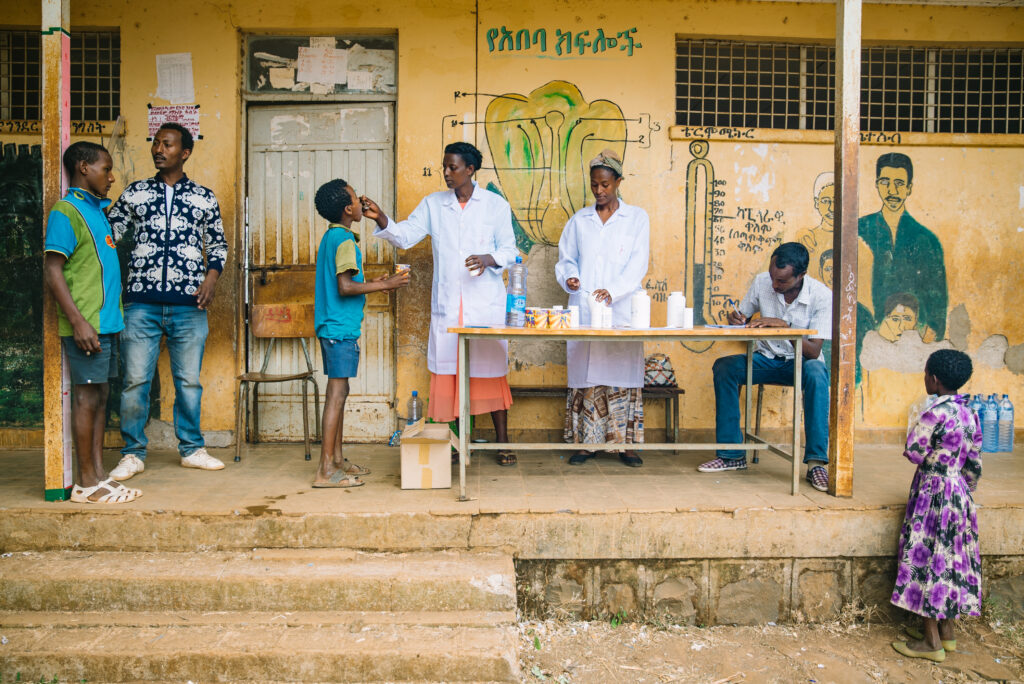
Pooling resources and expertise has always been essential to tackling NTDs. Public–private–philanthropic partnerships (PPPPs) are now a central feature of global health, especially in the NTD space, where government leadership, supply chain coordination, and donor collaboration must move together.
The END Fund is a key part of this model, connecting local communities, national governments, the World Health Organization (WHO), pharmaceutical companies, and private finance to accelerate elimination. As a result, efficiencies are gained and NTD programs are embedded within government structures, creating long-term sustainability and centering the needs of communities affected by NTDs.
Pharmaceutical partnerships underpin much of this success. Between 2011 and 2024, almost 30 billion tablets and vials were delivered to countries, and 1.8 billion were in 2024 alone. Drug donations from companies such as MSD, GSK, Johnson & Johnson, Eisai, Pfizer and Merck KGaA, Darmstadt, Germany have transformed access to essential medicines. The END Fund aggregates investments to optimize the delivery of these donations, ensuring that they reach those who need them most, and that systems are built to deliver them effectively.
The result is a model of legacy, innovation and shared purpose, a cornerstone of global health collaboration and one which is accelerating a clear pathway to the elimination of NTDs.
On the Frontline of NTD Treatment in DRC with Dr Kamwasha
The Democratic Republic of Congo (DRC) has one of the world’s highest burdens of NTDs with millions of lives affected.
Dr Kamwasha Vincent, a local doctor, travels through the provinces of Kwilu and Kwango in DRC. “The entire region is endemic,” he explains, describing how NTDs shape daily life. Almost four in every five people in the country require some form of treatment for diseases such as river blindness.
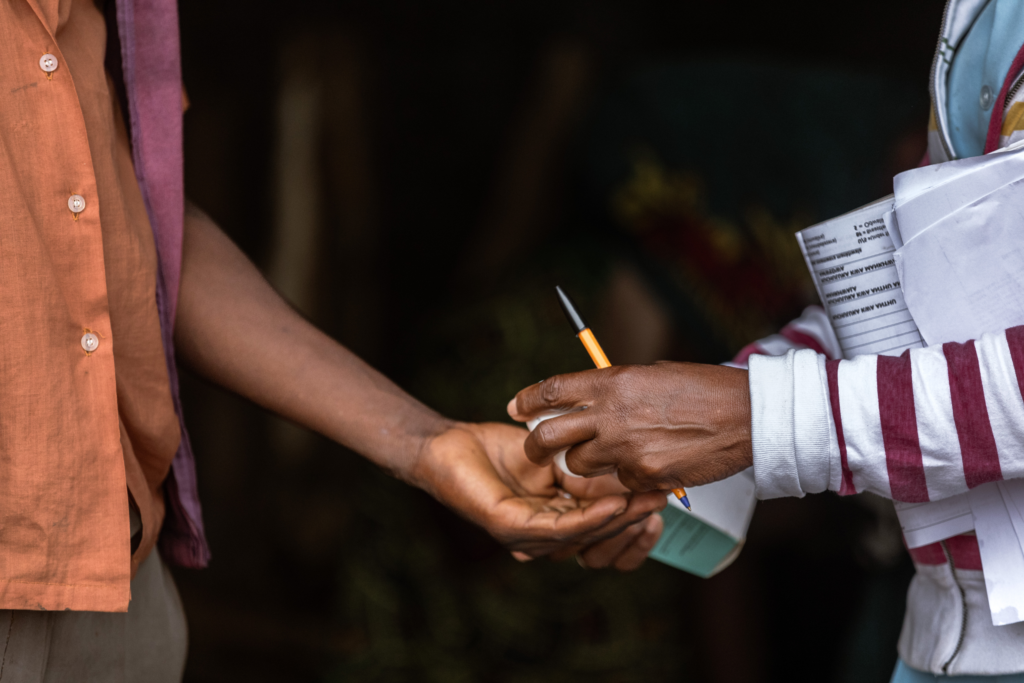
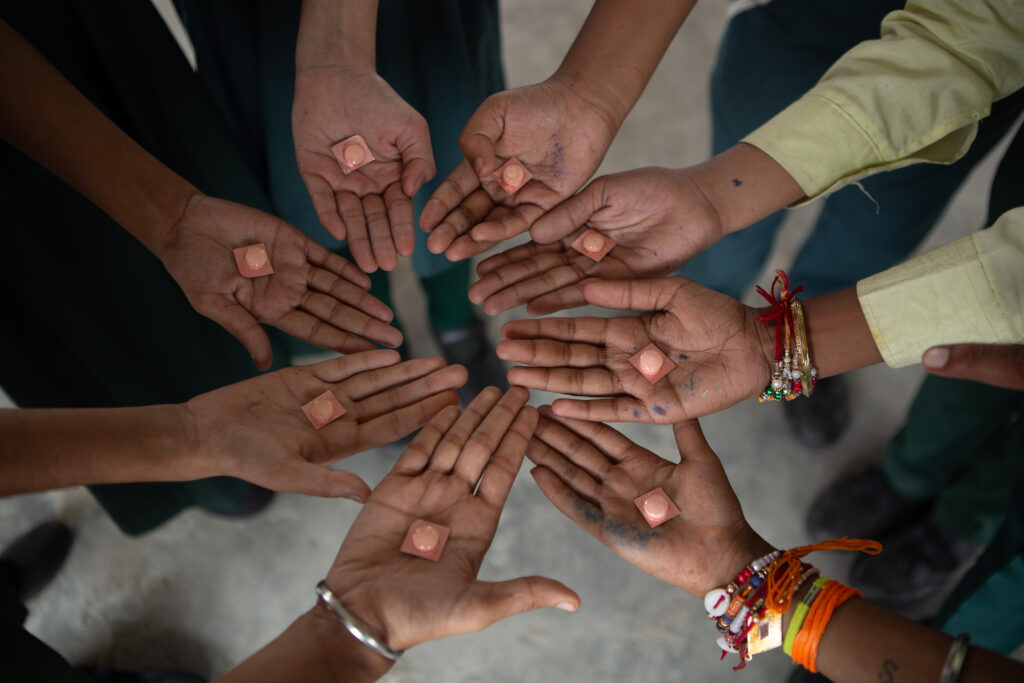
Working with the United Front Against River Blindness, Dr Vincent and his team coordinate with local doctors, nurses, and community distributors to reach remote communities with a small white tablet: ivermectin. “All the drugs we use are provided by donors,” he says.
These medicines come from MSD, which donates ivermectin, branded as Mectizan. This partnership reflects decades of scientific and organisational collaboration. In the 1970s, MSD researchers discovered that ivermectin could treat river blindness, which had devastated communities across sub-Saharan Africa for centuries. Trials with the WHO in the 1980s confirmed its safety and efficacy.
The cost, however, placed the medicine out of reach for most governments. Dr Roy Vagelos, then CEO of MSD, made a defining decision: “Our executive group met and made a decision that the company would contribute Mectizan free to anyone in the world for as long as it was required,” he recalled in an interview with the American National Institutes of Health.
“It was a total game changer. Using the drug for mass treatment was cheaper and more effective than vector control,” reflected Dr Daniel Boakye, Senior Technical Adviser at the END Fund, who has worked for more than fifty years to control the flies that spread the disease.
In 1987, MSD launched the Mectizan Donation Program (MDP), setting a new benchmark for public–private collaboration. It showed how philanthropy, science and community engagement could align to achieve scale—an approach that later informed the END Fund’s own model.
Working with the Task Force for Global Health, MSD coordinated delivery with the WHO, national governments and local communities. By 1998, the MDP had become a model for mass drug administration and expanded to include lymphatic filariasis, another disease treated by Mectizan.
The END Fund has since built on this foundation, taking it to new heights. “The END Fund has played a critical role in catalysing resources, catalysing funding, and working with in-country stakeholders,” said Allison Goldberg, President of the MSD Foundation. “It’s because of partnership with organisations like the END Fund that this kind of goal has been attainable.”
This collaboration was instrumental in Niger’s elimination of river blindness (also known as onchocerciasis) in January 2025. Working alongside community health workers and local volunteers, the END Fund supported delivery, surveillance, and post-elimination planning. MSD’s ongoing commitment remains central to these successes. The company recently celebrated its five billionth treatment of Mectizan, distributed across sixty-four countries.
Dr Vagelos’s decision continues to guide MSD’s global health strategy. The company remains committed to donating Mectizan for as long as it is required, supporting elimination efforts in countries around the world.
International Collaboration and the Power of Partnership
The mantra of partnership has driven progress across the global NTD community. In 2006, Legatum, a philanthropic investment firm, was searching for strategic public health investments. “It’s relatively tough giving away money and doing it well,” said partner Alan McCormick to the Financial Times in 2019.
The success of these initiatives inspired the official creation of the END Fund in 2012. “The END Fund model is about the ability to have people come together and collaborate, and bring their expertise,” said McCormick, now an END Fund board member. Since then, this model has enabled sustained investment from pharmaceutical partners. Merck KGaA, Darmstadt, Germany has celebrated two billion praziquantel donations in 2023, with continued commitments on the way.
Rwanda exemplifies what can be achieved through partnership. By 2017, its Ministry of Health, supported by the END Fund, began purchasing its own drugs to secure national supply and integrate NTD management into domestic systems. By 2020, 97% of villages had reduced heavy-intensity infections to below 1%. “We integrated the supply chain into the existing system and took full ownership of the cost for mass drug administration,” said Jean Bosco Ntirenganya, a Division Manager at the Rwanda Biomedical Centre.
This shift towards national ownership demonstrates how the END Fund’s coordination helps countries transition from dependence on external funding to self-sustaining programs, anchored in strong partnerships with pharmaceutical companies. Agency fostered through these partnerships is now more crucial than ever before.
Global Declarations and Shared Vision
The London Declaration on NTDs, launched on 30 January 2012, marked a defining moment in coalescing actors around the fight. Speaking on behalf of thirteen pharmaceutical companies, then GSK CEO Andrew Witty pledged to expand drug supply, strengthen research collaboration and align global efforts. The initiative brought together governments, the Gates Foundation, the World Bank, and NGOs.
“Many companies and organisations have worked for decades to fight these horrific diseases. But no one company or organisation can do it alone,” Witty said. “Today, we pledge to work hand in hand to revolutionise the way we fight these diseases now and in the future.” As of 2026, GSK has donated 12.6 billion Albendazole treatments.
The Declaration mobilised more than US$785 million and redefined cooperation in global health. “This innovative approach must serve as a model for solving other global development challenges,” said Bill Gates at the launch.
In 2017, on the Declaration’s fifth anniversary, pharmaceutical partners donated a record 207 million treatments in a single day across six countries. Since then, 30 January has been observed as World NTD Day, celebrating progress and reaffirming commitment.
For Hauro Naito, President and CEO of Eisai, this collective effort represented a milestone. “The London Declaration is the largest international public–private partnership in the field of global health,” he said. Naito’s leadership expanded NTD action in Asia, and his contributions were recognised with Japan’s Order of the Rising Sun, Gold and Silver Star. “We will bring forth unprecedented results,” he pledged.
At the Kigali Declaration in 2022, Melinda French Gates reflected on this global cooperation: “It has been inspiring to see the way leaders have come together to combat malaria and neglected tropical diseases… from government officials and health workers to advocates and scientists.”
Innovation and New Frontiers
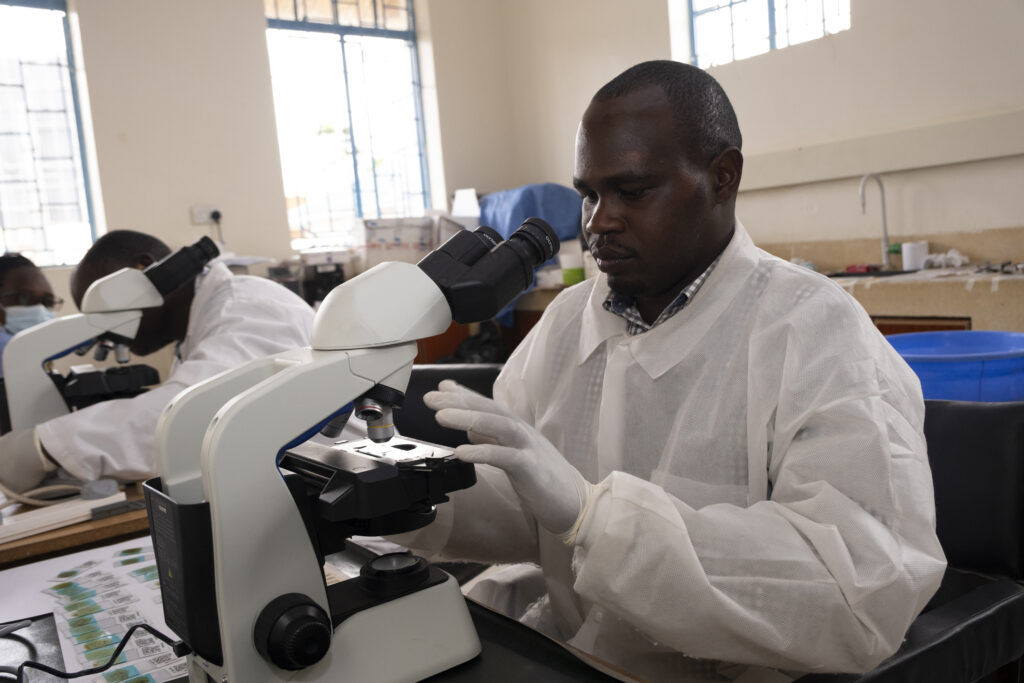
Innovation continues to drive NTD elimination, building on such impressive collaboration. In Uasin Gishu County in Eastern Kenya, surveys supported by the END Fund, the country’s Ministry of Health and Amref Health Africa are mapping infections caused by intestinal worms and schistosomiasis. “Now, with evidence in hand, we can ensure that treatment reaches the right places and resources are used wisely,” said Julius Kalenda, survey leader in Uasin Gishu County.
To make medicines more accessible, Johnson & Johnson produced a paediatric-friendly version of mebendazole for school-aged children. On World NTD Day 2024, J&J announced a renewed commitment until 2030. “We’ve seen the role our medicine can play in greatly reducing the burden of intestinal worms,” said Howard Reid, Global Head, Global Health Equity at J&J. “We believe we can help close the gap between communities and the care they deserve.”
Merck KGaA, Darmstadt, Germany has followed a similar path. Its paediatric formulation of praziquantel, arpraziquantel, designed to withstand tropical conditions, reached preschool-aged children in Uganda in 2025. “We have reached a critical milestone in making treatments for schistosomiasis available to all age groups,” said Peter Guenter, former Heathcare CEO at Merck KGaA, Darmstadt.
Later in 2025, the END Fund and Merck KGaA, Darmstadt, Germany formalised their partnership through another key moment: a Memorandum of Understanding at their headquarters in Darmstadt, establishing a joint roadmap to strengthen monitoring, improve child treatments and integrate NTD elimination into national systems.
Innovation also extends to technology. The Drugs for Neglected Tropical Diseases Initiative (DNDi) uses AI to accelerate drug discovery. The approach was inspired by Nobel Prize-winning research in protein structure prediction, creating new opportunities for faster, more precise treatment development.
In 2020, the END Fund launched a Deworming Innovation Fund to explore practical solutions to improve delivery and effectiveness. Based on research by Nobel Laureate Michael Kremer, the initiative underscores the economic and social benefits of deworming. These innovations illustrate how science, philanthropy, and community needs converge through partnership.
Strength in Supply Chains
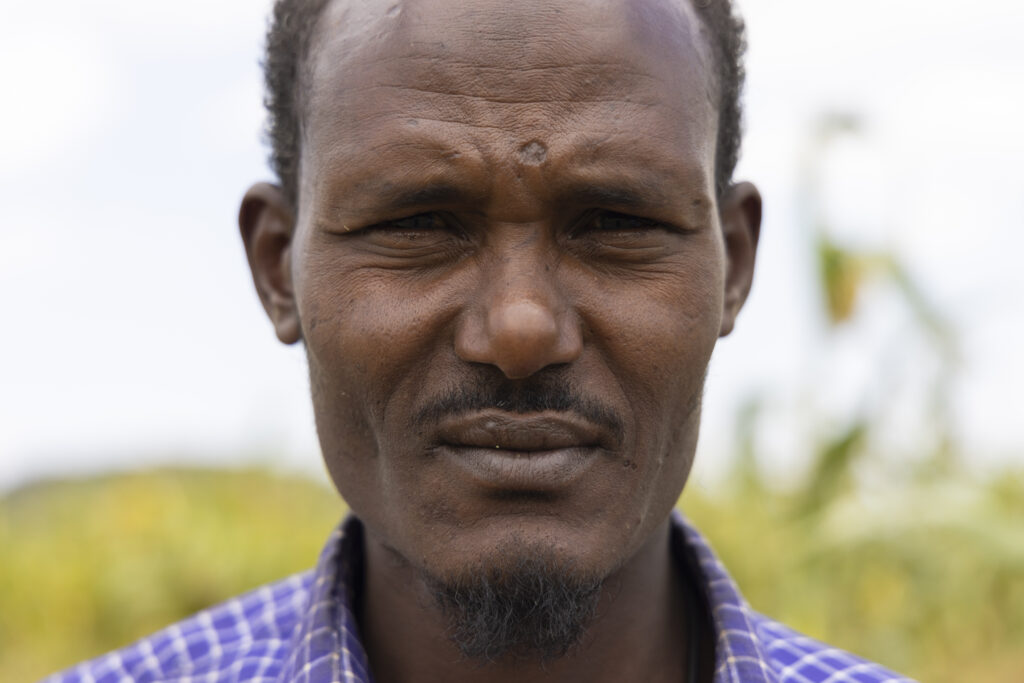
Behind every success lies a reliable supply chain. In Ethiopia’s Somali region, Feysel once suffered for years from trachoma, a disease spread by poor hygiene and limited medical access. His only cure was surgery.
Community health workers across Ethiopia now prevent others from facing the same fate, supported by the International Trachoma Initiative (ITI), established in 1998 to advance WHO’s elimination strategy. The ITI coordinates delivery of azithromycin, donated by Pfizer under the name Zithromax, through a network that reaches even the most remote areas.
ITI’s Zithromax shipment tracker allows partners to follow every delivery – from agreement to community distribution – enhancing transparency and coordination. Pfizer has donated more than one billion doses of Zithromax to over forty countries. “Behind those large numbers are individuals whose lives have been genuinely improved,” said Dr Paul Emerson, Director of ITI.
Ensuring medicines reach people depends on collaboration between pharmaceutical companies, governments and organisations like the END Fund. In June 2025, fifty African countries, the Africa Centres for Disease Control and Prevention (Africa CDC), WHO, and the END Fund agreed to establish a digital portal to strengthen NTD planning and data sharing.
“[Rates of NTDs] underscore the urgent need for sustainable, country-owned solutions that leverage existing national capacities,” said Dr Raji Tajudeen, Acting Deputy Director General at Africa CDC.
This partnership-driven shift towards national ownership is shaping the next phase of elimination – anchored in robust logistics and transparent coordination.
Community Health Worker in Uganda Delivers Treatment to Thousands
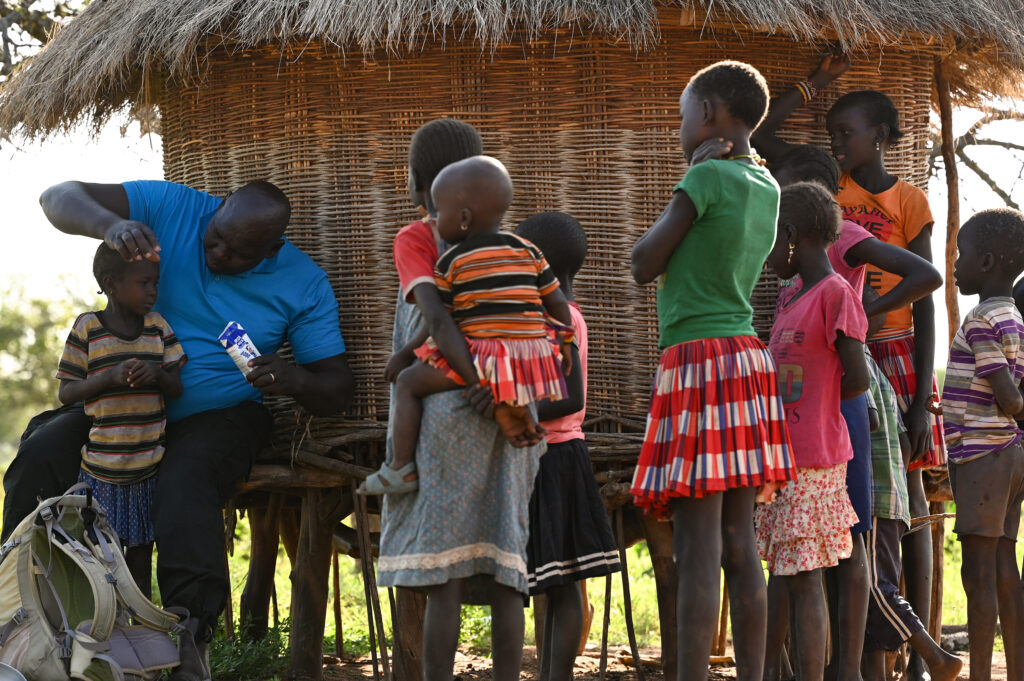
In north-eastern Uganda, community health worker Andrew rides across Karamoja’s dry plains to reach remote villages. Listening in one of the seven languages he knows, he hears as residents describe symptoms of visceral leishmaniasis, a deadly parasitic disease.
For nearly two decades, Andrew has identified and helped treat nearly 10,000 patients. “If Andrew was not around, we would have so many community deaths,” says Dr. Patrick Sagaki of Amudat Hospital. Without treatment, the disease is almost always fatal.
Andrew’s dedication mirrors the work of thousands of local health workers whose efforts connect communities to global health initiatives. Their outreach embodies the END Fund’s mission: ensuring that every donated treatment reaches a person, a family, a village so that the whole community feels the effects.
“Without the billions of treatments donated by our pharmaceutical partners, controlling and eliminating NTDs would be impossible,” says Sam Macintosh, Vice President, Global Strategic Partnerships at the END Fund. “Together with the END Fund’s networks worldwide, and the country- and community-level expertise of Ministries of Health and nonprofits, we have built adaptable, responsive supply chains that are accelerating the goal of elimination by 2030.”
Reliable drug supplies empower national programs to plan confidently. For pharmaceutical staff working behind the scenes, seeing their impact firsthand reinforces purpose. “There are thousands of people behind the scenes… who may not realise the sheer impact of their work,” Sam adds. “Being able to help pharmaceutical companies share with their global workforces that communities like those in Uasin Gishu County depend on their innovation is humbling.”
Eisai has embraced this approach. During Indonesia’s Lymphatic Filariasis Elimination Month in 2015, company employees joined communities in Bogor to observe mass drug administration and hygiene education, living out the company’s human health care philosophy. Such engagement demonstrates how corporate commitment translates into community empowerment.
THE impact IN NUMBERS
30+ Billion
treatments donated by pharmaceutical companies since 2012
64 countries
have eliminiated at least one NTD
700 million
fewer people require treatment since 2010
A Shared Path FOrward
The global fight against NTDs in advancing through partnership, persistence, and innovation. The END Fund’s approach – linking governments, communities and pharmaceutical partners – has built one of the most effective collaborative models in global health.
As traditional aid structures evolve and donors recalibrate, this partnership model offers sustainability. Across Africa, national leadership is strengthening. “The elimination of NTDs is more than a public health objective: it is a lever for development and a decisive step towards achieving the African Union’s Agenda 2063,” states the AU framework.
Pharmaceutical partners remain central to this progress, maintaining donations, innovation, and technical support. The model is working and it continues to gather momentum towards NTD elimination by 2030.
In Burundi, where communities recently celebrated the end of trachoma, the results of global partnership are visible. From laboratories and logistics networks to local volunteers and field workers, the chain connecting science, strategy, and compassion is proving that neglected tropical diseases can indeed become a thing of the past.